Discover how to avoid booking traps with our ultimate guide on heritage stay Kolkata packages. Enjoy an authentic experience without the pitfalls!

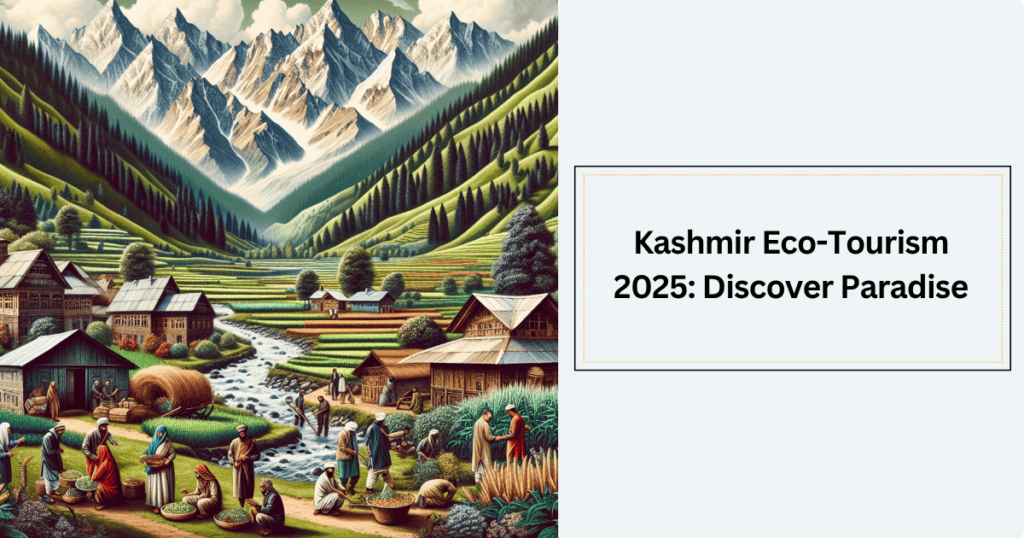
Have you ever dreamed of visiting a place that feels like a true paradise, where mountains, lakes, and culture all come together in a beautiful dance? Kashmir, often called the "mini-Switzerland" of India, is becoming one of the hottest spots for eco-tourism in 2025. People who love nature and want to travel responsibly are buzzing about Kashmir eco-tourism 2025. It’s a chance to see stunning natural beauty while also helping local communities and protecting the environment.
Eco-tourism means visiting places in a way that respects the land, the people, and the culture. It’s not just about sightseeing; it’s about falling in love with nature and being careful not to harm it. In Kashmir, this kind of travel is growing, and for good reasons. The valley’s mountains, sparkling lakes, and friendly people have started to shine on the world stage as perfect for green tourism. Future travelers who care about the planet will find that Kashmir eco-tourism 2025 offers amazing experiences that feel kind to nature and rich in culture.
If you’re curious about what makes Kashmir special and why eco-tourism there is becoming a top choice, this guide will take you through all the exciting details. From breathtaking views to community stories, economic benefits, and the role of social media in spreading the word, you’ll see why Kashmir is the place to watch for sustainable travel this year.
Kashmir’s natural beauty is hard to match. Imagine the Himalayas towering above, with fresh mountain air that opens your lungs and bright blue skies stretching wide. The Dal Lake, often called the jewel of Kashmir, reflects the sky like a perfect mirror, surrounded by forested hills and colorful gardens. Walking through the valley, you’ll find lush green meadows filled with wildflowers and snow-capped peaks that look magical in the sunlight.
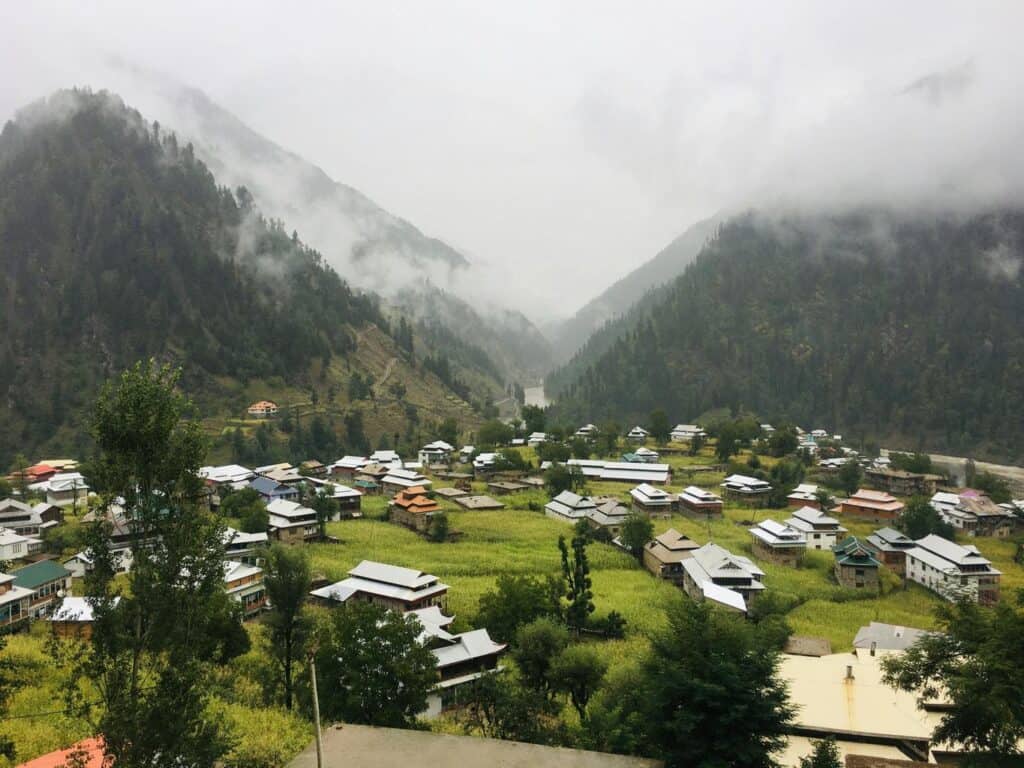
This natural charm isn’t just pretty — it’s a playground for eco-tourists. People visit to trek mountain trails, ski down snowy slopes, or just relax on gentle houseboats floating peacefully on lakes. All of these eco-tourism activities are designed to leave the environment just as clean and beautiful as it was found. When tourists follow green travel ideas, they help keep Kashmir’s nature healthy and vibrant for years to come.
Kashmir’s beauty goes beyond nature. The culture here is full of stories, crafts, and flavors that make every visit memorable. Local artists create delicate pashmina shawls and handwoven carpets that are famous worldwide. Festivals bring the community together with music, dance, and colorful celebrations, showing deep respect for tradition.

The food is something special too. Imagine tasting Wazwan, a traditional meal prepared with love and skill, or sipping Kahwa, warm saffron tea perfect for the chilly mountain air. Religious sites like the Amarnath Cave and Hazratbal Shrine welcome visitors of all backgrounds and add spiritual meaning to the trip.
What makes sustainable tourism in Kashmir stand out is how the local people are part of it. They share their culture directly with travelers, creating a connection that goes beyond sightseeing. This respect for cultural heritage is a key part of eco-tourism Kashmir and helps keep traditions alive.
Traveling sustainably also means supporting the people who live in the area. Kashmir eco-tourism 2025 is helping local communities grow by creating new jobs and business opportunities. With more visitors interested in green tourism, many locals have started homestays, guiding treks, or selling traditional crafts directly to tourists.
This kind of tourism doesn’t just bring money; it spreads it more fairly. Instead of big companies taking all the profit, small businesses and families in the valley get to share in the benefits. This helps reduce poverty and lifts the community’s quality of life. When tourists choose eco-friendly options, they encourage responsible consumption, which means using resources wisely without waste.
The economic impact is not just local but also connects with global goals. Kashmir’s green tourism helps meet important sustainability targets like protecting biodiversity and promoting fair economic growth, which are also part of the big discussions happening at the G20 meetings this year.
The world is moving toward smarter ways of traveling that don’t hurt the planet. Kashmir eco-tourism 2025 is part of this global movement. The G20, a group of the world’s largest economies, talks about goals to slow climate change, protect wildlife, and encourage responsible use of resources. Kashmir’s eco-tourism steps line up perfectly with these ideas.
India, which leads the G20 this year, focuses on a concept called LiFE, or Lifestyle for Environment. This idea asks everyone to make small changes in daily life to protect nature. Kashmir’s commitment to eco-tourism—using renewable energy in hotels, managing waste carefully, and involving local communities—shows how a whole region can live this philosophy.
By choosing eco-tourism Kashmir, travelers support a destination that cares about the planet and its people. This harmony between local efforts and global priorities makes Kashmir a shining example of sustainable travel in 2025.
You may wonder how all this excitement about Kashmir eco-tourism 2025 reaches travelers around the world. A big part of that is social media. Platforms like Facebook, Instagram, and YouTube help share stunning photos of Kashmir’s valleys, houseboats, and happy travelers. These stories inspire others to consider eco-friendly travel options.
In fact, studies show that over a quarter of tourists rely heavily on social media when planning trips. Social media not only spreads information but also connects people directly to local businesses. When tourists see pictures of traditional crafts, delicious Wazwan meals, or peaceful treks, they are more likely to choose Kashmir as their green travel spot.
Beyond inspiration, social media shapes how people travel. Sharing experiences online encourages others to follow eco-tourism guidelines, like respecting local culture and minimizing waste. This digital buzz helps build a community of travelers who care and support sustainable tourism in Kashmir.
While Kashmir eco-tourism 2025 is full of promise, it’s not without challenges. Building eco-friendly infrastructure like renewable energy systems or waste management requires money and time. Sometimes tourists worry about higher costs in sustainable accommodations, which can slow growth.
There can also be resistance from people used to traditional ways of tourism or business. Coordinating efforts between government, local communities, and private companies takes patience and planning. Security concerns tied to regional tensions sometimes affect visitor numbers, making stability a key priority.
To overcome these barriers, Kashmir is focusing on training locals, improving communication, and working closely with all stakeholders. Transparency and education are important so that everyone understands the long-term benefits of green tourism. With continued effort, Kashmir’s eco-tourism can expand steadily and responsibly.
To keep leading in eco-tourism, Kashmir is setting up smart policies and action plans. Green certification programs help hotels and guides get recognized for eco-friendly work, encouraging others to join in. Boosting community-based tourism means more local people can share their culture and benefit economically.
Investments in solar power, better waste systems, and eco-transports are in progress. Guidelines ensure that traveler numbers don’t damage nature and that cultural respect stays strong. Financial help like grants or tax benefits motivates businesses to switch to greener methods.
Research partnerships with universities explore new ideas to make tourism sustainable and innovative. Meanwhile, marketing teams focus on telling the story of Kashmir’s natural beauty and cultural richness across digital media. These strategies create a strong foundation to protect Kashmir and support the communities that call it home.
Kashmir eco-tourism 2025 is more than just a trend — it’s a movement that brings nature lovers, culture seekers, and responsible travelers together in a beautiful valley. By respecting the environment, supporting local people, and celebrating a rich heritage, Kashmir is shaping a sustainable future for tourism.
Visiting Kashmir means enjoying breathtaking views throughout the year, discovering new adventures, and connecting with warm-hearted communities. It’s a chance to be part of something special — a travel experience that gives back to the land and its people.
For anyone dreaming of a trip that’s both magical and mindful, Kashmir eco-tourism 2025 is the perfect destination. By choosing this green path, you play a role in keeping Kashmir’s beauty alive for many generations to come. So, pack your bags, plan your journey, and step into the paradise of responsible travel.

Discover how to avoid booking traps with our ultimate guide on heritage stay Kolkata packages. Enjoy an authentic experience without the pitfalls!

Discover how to avoid booking traps with our ultimate guide on heritage stay Kolkata packages. Enjoy an authentic experience without the pitfalls!