Discover how to avoid booking traps with our ultimate guide on heritage stay Kolkata packages. Enjoy an authentic experience without the pitfalls!

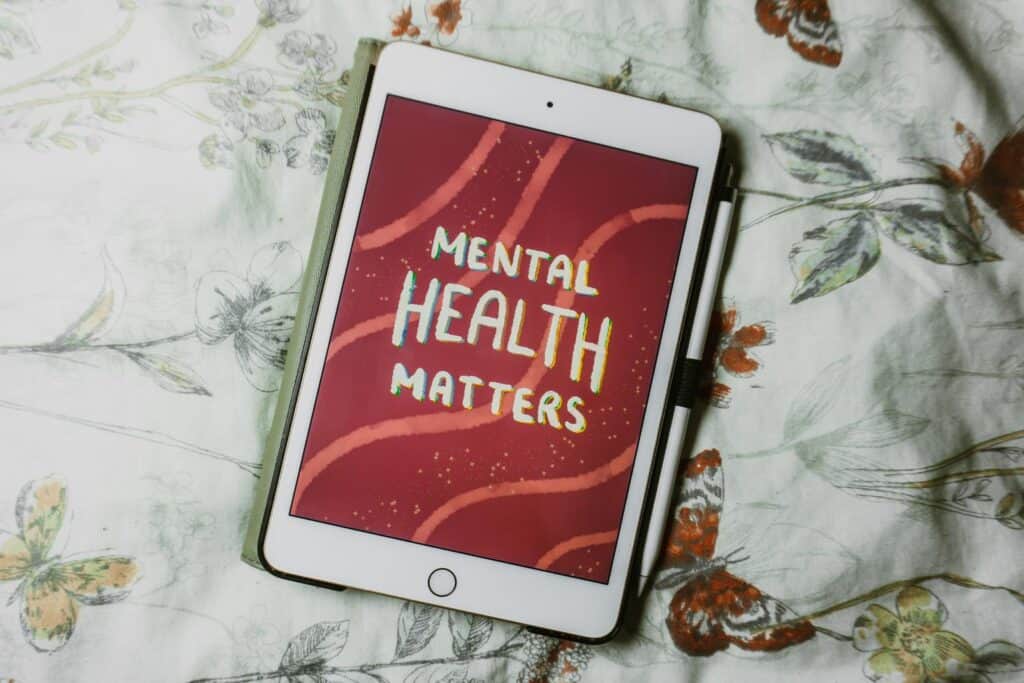
Have you ever wondered how computers can help with feelings like sadness, worry, or stress? It might sound like science fiction, but today, AI mental health tools are changing how people get help when life feels tough. Mental health is about how we think, feel, and handle everyday challenges. Lots of people around the world need mental health support, but sometimes getting help can be hard because of long waits, costs, or not enough therapists nearby. This is where artificial intelligence in mental health steps in as a friendly helper.
AI mental health means using smart computer programs to support people with mental health care. These tools can listen, understand, and even guide people through tough moments. They don’t replace real doctors or therapists but work together with them to make treatment better and easier to reach. Imagine having a caring helper who is always there, ready to talk, without waiting or worrying about being judged. That’s the power of AI in mental health.
Artificial intelligence might sound complicated, but it's really about computers doing tasks that usually need human smarts. Think of AI as a clever assistant that can look at lots of information and spot patterns to help make decisions. In mental health care, AI mental health tools can support doctors by helping diagnose problems faster and suggesting treatment options.
AI doesn’t get tired or distracted. It can remember details about how someone feels or responds to treatments over time. This helps create better plans that fit each person, like a tailor-made suit but for mental health. Using AI in mental health care makes things faster and safer because it can catch things humans might miss, reducing mistakes.
Sometimes, feelings of sadness or worry can sneak up without anyone knowing. AI mental health tools use special skills like machine learning, which means they learn from lots of examples to recognize signs early. They can listen to how a person talks, what they write, or even look at social media posts to find clues about how they are feeling.
Some apps use voice tone or facial expression recognition to understand emotions. For example, a chatbot called Woebot chats with users and notices if their words show signs of depression or anxiety. It’s like having a little detective friend who watches out for you and encourages you to get support before things get harder.
One of the best things about AI mental health is that it’s available 24/7. Chatbots and virtual assistants do not need breaks or sleep. Programs like Wysa and Tess use smart conversations to offer tips for calming down, staying positive, or practicing mindfulness exercises. They provide comfort when people might feel alone or unsure about asking for help.
These virtual helpers also reduce the fear or embarrassment some feel about talking to a person at first. Because you’re talking to a machine that won’t judge, it's easier to share honest feelings. Plus, these AI tools can remind users to practice skills learned in therapy, keeping progress on track between appointments.

Mental health isn’t the same for everyone, so treatments shouldn’t be either. AI mental health tools look at unique information about each person, like how their body reacts, their behavior, and previous responses to treatment. This allows AI to create customized plans that adjust as someone gets better or needs something different.
Imagine if your doctor could watch how you’re feeling all day and change your medicine or coping strategies instantly. That’s what AI helps make possible. It’s like having a coach who learns your needs deeply and fine-tunes your care to fit you perfectly.
A big challenge in mental health care is that not everyone lives near a therapist or can afford many appointments. AI breaks down these walls by powering teletherapy and remote monitoring. People can get support at home, on their phone or computer, no matter where they live.
Therapists also get help from AI. It can sort through patient information and figure out who needs urgent attention, so doctors spend more time with those who need them most. This way, more people can get the help they need without long delays or traveling far.
One amazing thing about AI mental health tools is their ability to help many people at once. Unlike humans, AI doesn’t get tired, so it can chat or listen anytime, day or night. This constant presence provides a safety net for individuals who need support outside office hours.
Also, people often find it easier to open up to machines because there’s no fear of judgment. This helps them talk honestly about difficult feelings, which is a key step toward healing. AI also treats everyone the same way, without bias, helping make mental health care fairer.
Additionally, AI can handle huge amounts of data—from genetics to mood tracking—much faster than any person. This power lets it spot patterns that might take doctors a long time to figure out, leading to quicker and more accurate support.
Even though AI is smart, it can’t fully replace human therapists. People need real emotional connection, empathy, and understanding—things that machines can’t truly feel or offer. Human therapists pick up on subtle hints like body language or tone that AI might miss.
Privacy is another concern. Mental health information is personal, and AI tools must keep it safe. Careful rules and strong protections are needed to ensure data doesn’t get into the wrong hands.
AI tools can also have biases if they learn from incomplete or unfair examples. This could cause some groups of people to get poorer help, so experts work hard to make AI systems fair and just for everyone.
Finally, while AI shows promise in helping short-term, more research is needed to see how well it works over a long time. Human oversight is always important to guide AI and keep care on the right path.
The future looks bright for AI mental health. New tools will better understand feelings in real time and offer help when someone is emotionally overwhelmed. AI will blend more with teletherapy and virtual reality, making care feel more personal.
Doctors will team up with AI, using it to analyze data and manage workloads but always relying on their human judgment and care skills. There’s also exciting talk about “Artificial Wisdom,” where AI could learn to make ethical, empathetic decisions that align with human values.
As AI grows in mental health, it’s crucial to keep rules and ethics strong to protect people and ensure everyone gets the support they deserve.
If you’re curious about how AI is shaping mental health care or want to learn more about this exciting field, many educational programs are bringing together health sciences and technology. These programs prepare people to work with AI-driven tools to improve mental health for all.
Mental health education that includes AI opens doors to new careers helping people in innovative ways. Whether you want to be a therapist or a tech expert, understanding AI’s role in mental health can make a big difference in the future of care.
AI mental health tools are turning ideas into real help for millions. With human wisdom and smart machines working hand in hand, mental health care is becoming kinder, fairer, and easier to reach for everyone.
If you or someone you know is feeling overwhelmed, remember that help is more available now than ever before. Taking a small step to explore AI mental health support can open new doors to feeling better and growing stronger every day.

Discover how to avoid booking traps with our ultimate guide on heritage stay Kolkata packages. Enjoy an authentic experience without the pitfalls!

Discover how to avoid booking traps with our ultimate guide on heritage stay Kolkata packages. Enjoy an authentic experience without the pitfalls!