Discover how to avoid booking traps with our ultimate guide on heritage stay Kolkata packages. Enjoy an authentic experience without the pitfalls!

Have you ever thought about how tractors might change in the future? Imagine a machine that doesn’t need noisy diesel engines or smell like fuel, yet still works just as hard in the fields. That’s exactly what’s happening with the electric tractor revolution. In 2025, electric tractors are stepping out of the idea box and onto real farms, helping farmers work smarter and kinder to the planet. These new machines run on batteries and packs of clever technology, bringing fresh energy to farming.
The electric tractor revolution is more than just swapping diesel for electricity; it’s about creating quieter farms, cutting down pollution, and even adding smart, self-driving features to machines. Farmers today are curious and excited, as these electric tractors promise to save money on fuel and maintenance, all while making farming smoother and more sustainable. So, let’s explore this amazing change together and see how electric tractors are shaping the future of farming.
Electric tractors are farm machines powered by batteries and electric motors instead of gas or diesel engines. This means they don’t burn fuel like old tractors, which helps cut down harmful smoke and chemicals that can hurt the environment. When you turn the key on an electric tractor, it starts quietly and gives power instantly, making work easier and faster. There are fewer moving parts inside, so farmers don’t have to spend as much time and money on repairs or oil changes.
This change is part of a bigger goal called sustainable farming. It’s about growing food while taking care of nature and saving resources. The electric tractor revolution fits right here—it helps farms lower their emissions and run more cleanly without losing performance. Plus, because electric tractors are much quieter, farmers can work near homes or greenhouses without bothering neighbors or animals. It’s a new way of farming that feels fresh and better for everyone.

If you want a deeper look into how electric tractors work and why they matter, the folks at Ritchie Bros. put together a great guide explaining these basics clearly and simply.
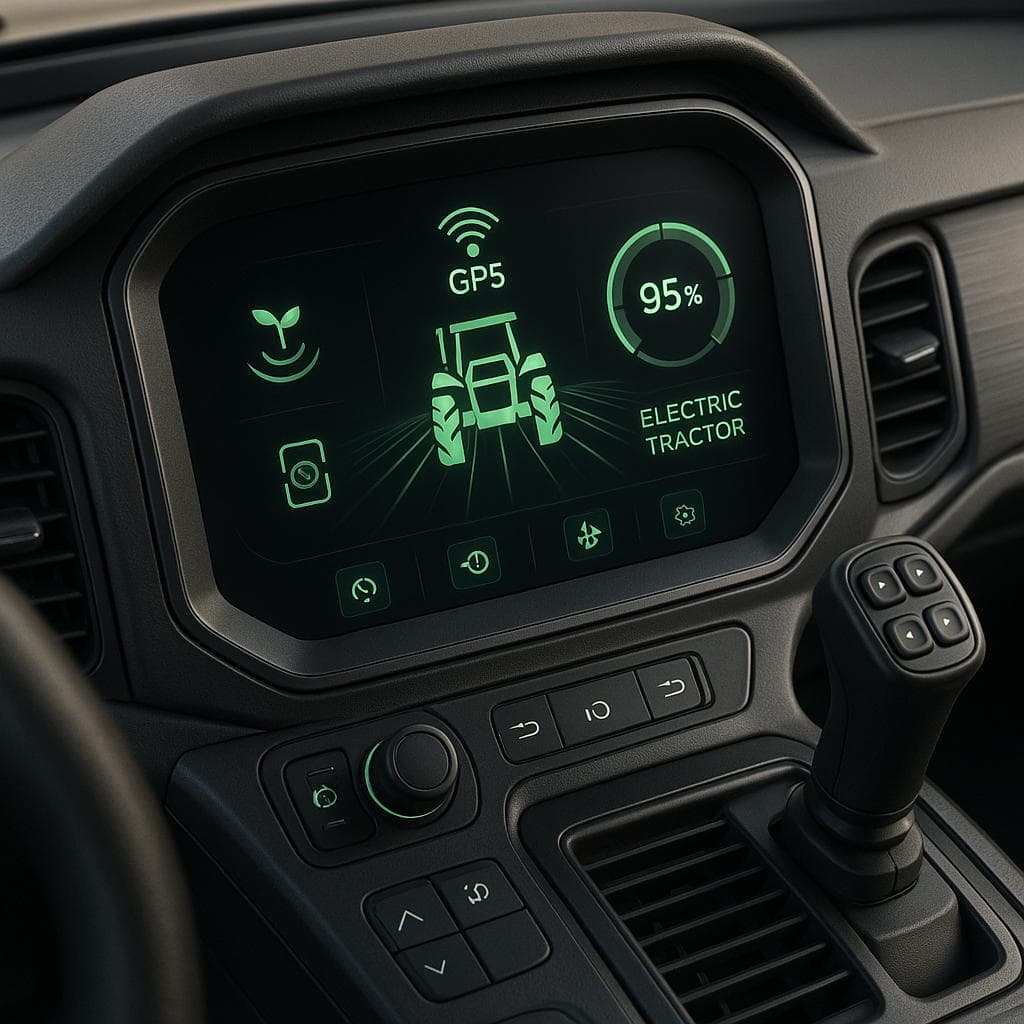
Electric tractors in 2025 come packed with cool technology that makes farming easier and more efficient. One big improvement is better batteries. These aren’t just ordinary batteries; they use special materials and cooling systems that help tractors run longer and stay powerful, even when the weather changes. This means farmers can count on their electric tractors to work hard all day without slowing down.
Another exciting feature is the mix of electric power and self-driving technology. Some electric tractors can now steer themselves using GPS and cameras, following the right path without a driver. This reduces the need for farmers to do repetitive tasks and lets them focus on other things. Autonomous tractors use smart sensors and artificial intelligence to plan their work, making fewer mistakes and saving time.
Charging these tractors is also getting easier. Farms are adding better charging stations, like fast chargers that refill a tractor’s battery in about an hour, similar to how people charge electric cars. This helps keep the machines ready for long days of work.
Big companies like John Deere and JCB are leading the way with prototypes and small production runs of electric and autonomous tractors. John Deere’s "E-Power" tractor is a good example—it combines strong electric power with smart features designed for real farm jobs. You can also find small and specialty electric tractors from startups like Monarch Tractor, perfect for orchards or vineyards where quiet, clean machines are needed.
For more details on the newest electric tractor tech and prototypes, check out the innovative highlights from CES 2025.
One of the biggest reasons farmers like electric tractors is because they save money and make work less stressful. Electric motors deliver instant torque, meaning tractors respond quickly to commands. This is great for jobs like lifting heavy loads or spraying crops, where power on demand makes a big difference.
Electric tractors also run much quieter than diesel ones. This means farmers can use them near homes or in greenhouses without disturbing people or animals. The quieter machines also create a nicer, less tiring environment for the farmers themselves.
Since electric tractors have fewer parts that wear out, there is less need for regular maintenance like oil changes or checking filters. The cost savings add up because farmers don’t have to buy as much fuel or spend as much on repairs.
By reducing emissions, electric tractors help farms meet sustainability goals and follow growing rules about pollution. They also pair well with precision farming tools, which use data and automation to help farmers make smarter decisions about when and where to plant, water, or spray. This team effort boosts farm efficiency and protects resources.
Ritchie Bros. shares real examples showing how much money farmers can save on fuel and service with electric tractors, helping to paint a clear picture.
While electric tractors have many advantages, they aren’t a perfect fit for every farm today. Availability is still limited—there aren’t many dealers or models to choose from, so farmers may need to wait or order special.
Battery life and charging time depend on how the tractor is used. Heavy tasks like plowing or hauling can drain batteries quickly, which can be a problem for big farms with long hours. It takes time to recharge batteries, and not every farm has the needed electrical setup for fast charging.
Electric tractors usually cost more upfront than diesel ones. Even though they save money on fuel and repairs later, the higher purchase price can be hard to afford. Battery replacement and warranty rules are also questions that farmers worry about.
Some very heavy or power-hungry equipment might not work as well with electric tractors right now, because electric models can have limits on things like PTO (the part that powers attachments) or hydraulics. Until batteries and power systems get better and cheaper, most large farms use a mix of electric and diesel tractors.
Building enough charging infrastructure at farms is often expensive and takes planning. That’s something many farmers consider when deciding how and when to add electric tractors to their fleet.
For a clear summary of these challenges and how they affect adoption, AgTech Breakthrough has a helpful overview.
Electric tractors are already popular in some farming types where their strengths really shine. Specialty crop farms, like vineyards and orchards, choose electric tractors because the quiet, zero-emission machines are perfect for working inside rows of delicate plants without disturbing the environment.
Greenhouses and dairy farms also benefit because electric tractors don’t pollute enclosed spaces and can handle routine indoor jobs. These farms usually have predictable work schedules and a base to recharge the tractors regularly.
Cities and towns are using electric farm tractors for tasks like mowing parks, tending playgrounds, or cleaning streets. The quiet machines reduce noise pollution, and the lack of fumes makes them better for public spaces. These municipal uses show how electric tractors fit well where noise and pollution control matter most.
These examples prove that the electric tractor revolution is already real and practical in many places, even while the technology keeps improving.
Deciding to buy an electric tractor is a big step. It helps to take a close look at your farm’s work to see if electric power fits. Think about how long your tractors run each day, what kinds of equipment they use, and how easily you can charge a battery overnight or during the day.
Electric tractors work best for farms with steady but moderate daily use, where quieter operation or emissions reduction is important. Checking if your implements run well on electric PTO and hydraulic power is key.
Calculating the total cost of ownership helps too. Compare how much you spend on diesel, oil changes, and repairs, versus electricity and new electric tractor costs. Remember to include potential incentives or rebates offered for clean farm machines, which can lower the price.
Trying out an electric tractor on smaller jobs first can show how it fits your routine before buying more.
By thinking through these factors, you can decide if joining the electric tractor revolution is right for your farm now or if waiting makes more sense.
The electric tractor revolution is just getting started. In the coming years, batteries will get bigger and charge faster. This means electric tractors will be able to replace bigger diesel machines on large farms with longer workdays.
Self-driving tractors will become more common, with fully autonomous electric fleets helping farms run smoothly and with less human labor by 2030. Some companies are also exploring hydrogen fuel cells as a clean energy option to power tractors in addition to batteries.
Government programs and more charging stations will make it easier and cheaper for farmers to switch to electric tractors. This will help the revolution grow and make farming greener around the world.
Electric tractors represent a bright future where farming and technology work together for a healthier planet and better lives for farmers.
The electric tractor revolution in 2025 is a big step forward. These new tractors bring quieter work, less pollution, and smart machines that can even drive themselves. Farmers are starting to see how electric farm machinery can save money and help their land stay healthy. While not perfect for every farm yet, the pieces are falling into place for a cleaner, more efficient way to farm. If you’re curious, now is a great time to learn more and see if an electric tractor could be a good fit for your operation. The future of farming is quietly charging ahead, and it looks bright.

Discover how to avoid booking traps with our ultimate guide on heritage stay Kolkata packages. Enjoy an authentic experience without the pitfalls!

Discover how to avoid booking traps with our ultimate guide on heritage stay Kolkata packages. Enjoy an authentic experience without the pitfalls!