Discover how to avoid booking traps with our ultimate guide on heritage stay Kolkata packages. Enjoy an authentic experience without the pitfalls!

Have you noticed how farms are changing right before our eyes? Big machines that once guzzled diesel fuel are now switching to quiet, clean electric power. Electric tractors are no longer just a dream—they’re becoming a real, exciting part of farming in 2025. These battery-powered farm machines are reshaping how farmers work the land, saving money, protecting the air we breathe, and even helping connect farming with renewable energy like solar and wind.
This year, electric tractors 2025 mark a turning point. New battery technology and smarter ways to manage power are making these tractors work longer and stronger than ever before. Whether it’s planting seeds, hauling crops, or running a sprayer, electric tractors are stepping up to the job with zero emissions. In this story, we’ll explore what’s new about electric tractors in 2025, why they’re better than traditional diesel tractors, and how they fit into modern, sustainable farming. We’ll also look at exciting new ideas on the horizon and how these tractors are becoming a cost-friendly and earth-friendly choice for farms of all sizes.
If you're curious about the future of farming, let's dive into the world of electric tractors and see why 2025 is such an important year for battery-powered farm equipment.
The idea of electric tractors isn’t brand new, but 2025 is when everything really takes off. Past models often struggled with heavy batteries and short work times. Now, thanks to breakthroughs in battery chemistry, farmers can charge their tractors faster and use them longer without stopping.
One big change is in the way electric power is delivered inside these machines. Instead of just one big motor, some new tractors use several smaller electric motors spread out on the tractor’s axles, power take-offs (PTOs), and hydraulic pumps. This “distributed propulsion” means more control and power exactly where it’s needed.
At the famous Agritechnica 2025 farm show, big names like John Deere showcased electric tractors with 130 horsepower that can handle tough jobs while using less energy and no diesel. Another cool example is Zoomlion’s electric combine that uses a mix of electric motors powered by a small diesel generator, blending electric and hybrid power for heavy work.
These advances mean electric farm machinery is no longer just for light duties or short days. Farms are starting to rely on these quieter, cleaner machines for full workdays, covering more ground and saving money on fuel.
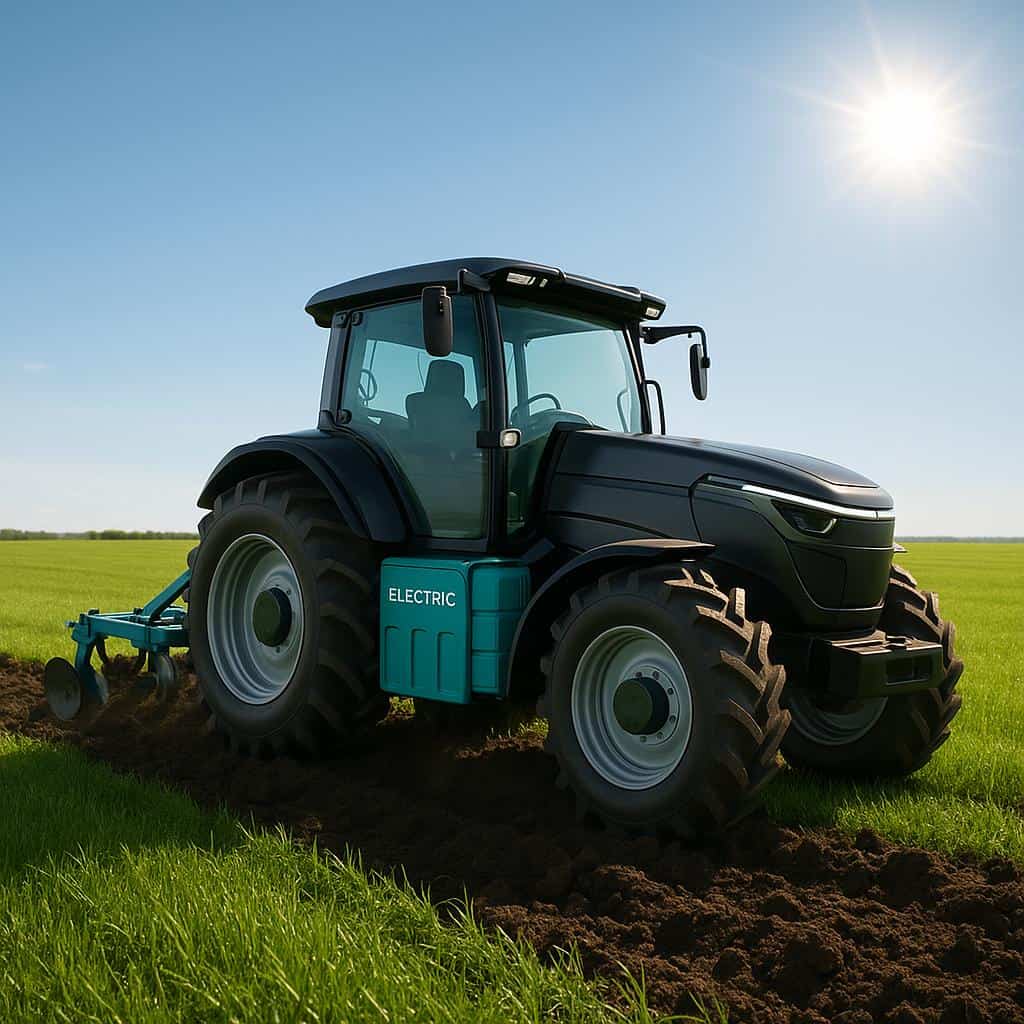
Electric tractors shine in ways that diesel-powered ones just can’t match. First, they produce zero emissions. That means no diesel exhaust or smoke polluting the air around the farm. This helps farmers meet environmental rules and keeps nearby neighbors happy.
Electric tractors are also cheaper to run. Electricity costs less than diesel fuel, and electric motors don’t need as much maintenance. No oil changes, no belts to fix, and fewer moving parts make for less fuss and fewer trips to the mechanic.
Besides saving money, electric tractors are quiet. They don’t roar like diesel engines, which is a big plus for farmers working near homes or villages. The quieter machines mean fewer complaints and a more peaceful environment.
Another great perk is how these tractors fit into smart farming. Many electric tractors come ready for the future with digital systems that track data, guide the tractor’s path automatically, and optimize work for better precision. This connection helps farmers make decisions that save time, money, and wear on their machines.
Though electric tractors often cost more upfront, farms can recover that in the long run with savings on fuel and maintenance. Experts at Renewables.com show real-world examples where the total cost over time favors electric machines, especially on small and medium farms looking for long-term gains.
Electric tractors in 2025 can handle many farm jobs, just like their diesel cousins. They prepare seedbeds, plant crops, weed, and maintain fields. They also haul trailers, mow grass, and operate hydraulic tools like sprayers and loaders.
Small and medium-sized farms especially benefit from electric tractors. Because these machines don’t cause much noise or pollution, they’re great for farms near communities or suburban areas. Imagine being able to start work early in the morning or late at night without waking neighbors or making a fuss.
Battery-powered farm equipment can also run smoothly during those cooler hours, extending the workday without disturbing anyone. For many farmers, this flexibility can mean finishing jobs faster and more comfortably.
Renewables.com, a leader in sustainable farming, supplies electric tractors designed for tough, real-world farm work. Their tractors match the needs of modern farmers who want to save fuel, reduce emissions, and join the move toward greener farming.
Electric tractors are impressive, but challenges remain. One big hurdle is the cost of batteries, which can make the tractors twice as expensive to buy compared to diesel models. This initial price is a barrier for many farmers, even though long-term savings help.
Another limit is power. John Deere’s 130-horsepower electric tractor is likely near the top for fully electric models today. More powerful work often still needs hybrids or diesel engines.
Charging infrastructure is improving, with faster DC charging stations popping up on farms and nearby locations. Still, it’s not as seamless as filling a diesel tank, so planning is crucial.
Farm experts like Weston Morris from Agco and Derek Muller from John Deere agree that adoption will grow slowly and depend on prices and availability. Other clean fuels like renewable diesel, ethanol, and hydrogen have their benefits but also downsides, leaving electric tractors as the best fit for many farming uses.
The future of electric tractors and farm machines is even more exciting. Hybrid machines, like Zoomlion’s combine, mix electric motors with diesel generators for longer work hours and more power.
The “distributed propulsion” tech will get smarter, with multiple electric motors dedicated to certain tasks inside tractors. This could mean powerful, flexible machines that use energy even more efficiently.
We’re also seeing advances in tractor systems like smarter powertrain management and electronic hydraulics, which improve how machines respond to the work they perform.
Driver safety and convenience are improving, too. Advanced Driver Assistance Systems (ADAS) are being added to help avoid accidents and make operation easier. Autonomous tractors using GPS and AI technology are becoming more common, allowing machines to work themselves in the field, freeing farmers to focus elsewhere.
These innovations are driving a future where electric farm machinery is smarter, safer, and more versatile than ever.
Beyond the farm, electric tractors make a big difference for the environment. They cut greenhouse gas emissions by replacing diesel exhaust with clean electric power. This means less air pollution and cleaner skies for all of us.
Electric tractors also reduce the risk of fuel spills or leaks that can harm soil and water. This protects the farm’s health and keeps food production sustainable.
When paired with renewable energy—like solar panels or wind turbines installed on farms—electric tractors help create energy independence. Farms can generate their own clean power and use it to run machinery without relying on fossil fuels.
Consumers and food companies increasingly want products grown with care for the environment. Using zero-emission farm machinery is one way farmers can meet this demand and prepare their business for the future.
Electric tractors 2025 are more than machines—they’re partners in a sustainable farming journey.
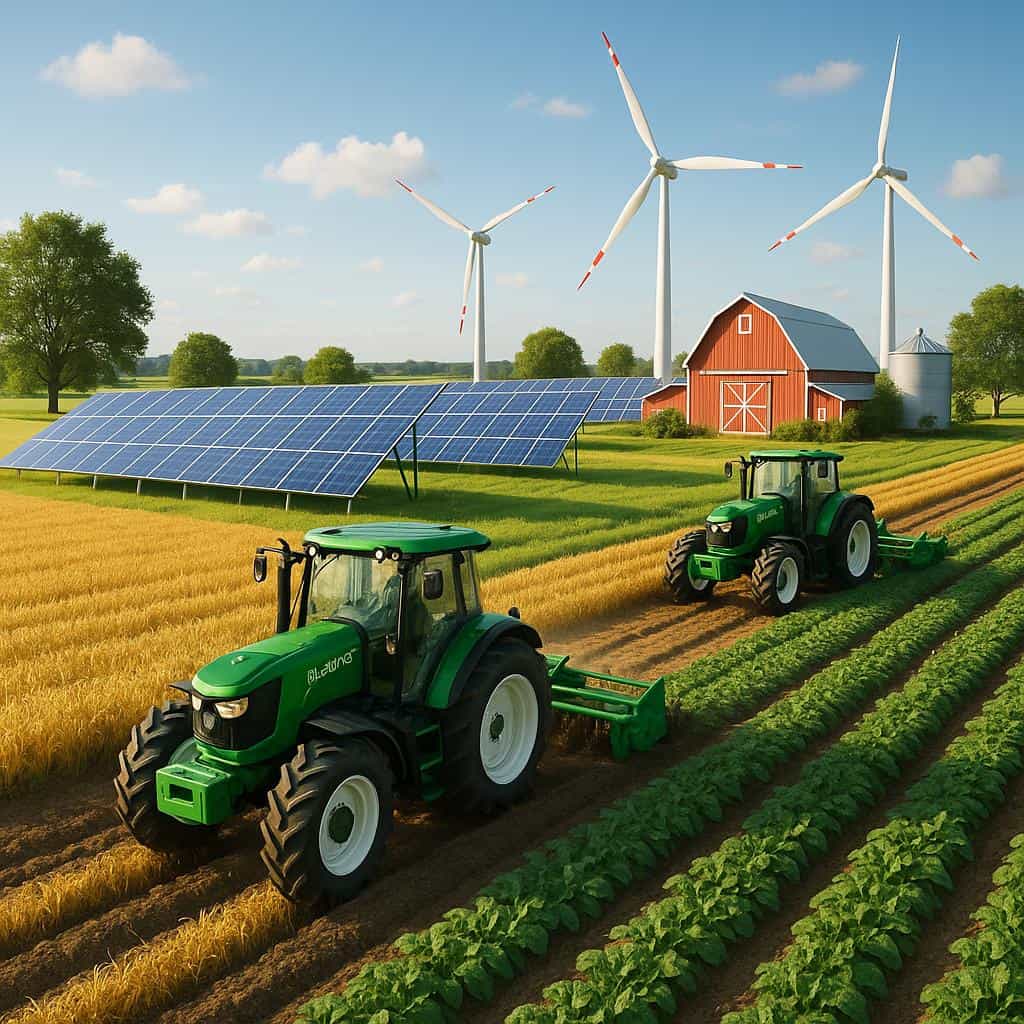
For farms making the switch, pairing an electric tractor with on-site renewable energy is a smart move. Charging your tractor with solar panels or wind turbines means even bigger savings and protection from rising electricity costs.
This clean energy combo also strengthens your farm’s independence, allowing you to keep working even if the grid faces issues. It’s a practical way to boost the benefits of electric tractors and lock in a greener, more cost-effective future.
Electric tractors 2025 represent a big, positive change for farming—cutting emissions, lowering costs, and bringing technology that makes work easier and cleaner. Small and medium farms especially stand to gain from quieter, simpler, and smarter machines.
If you’re curious about joining this farming revolution, visit Renewables.com to explore different electric tractor models and learn how to build one tailored to your needs. Experts are available to help answer questions about zero-emission farm machinery and how it fits your operation.
Thinking about electric tractors is not just about buying new gear—it’s about stepping into a future where farms work better for you and the planet. Join the movement and watch your farm thrive with the power of electricity and smart technology.

Discover how to avoid booking traps with our ultimate guide on heritage stay Kolkata packages. Enjoy an authentic experience without the pitfalls!

Discover how to avoid booking traps with our ultimate guide on heritage stay Kolkata packages. Enjoy an authentic experience without the pitfalls!