Discover how to avoid booking traps with our ultimate guide on heritage stay Kolkata packages. Enjoy an authentic experience without the pitfalls!

Have you ever wondered how farms keep getting bigger and better at growing crops? Farming has always been hard work, but new technology is changing the game. One of the exciting changes coming in 2025 is the rise of electric tractors. These tractors use electricity instead of diesel fuel to get the job done, making farming cleaner and more efficient. If you’re curious about how electric tractors can help farmers grow more crops and save money, you’re in the right place.
Electric tractors productivity 2025 is a big topic because it shows us how farming tools are evolving to meet the needs of the future. These electric farm tractors are designed to work smarter, not just harder. With new batteries and smart technology, they run longer and do more with less fuel or noise. This means farmers can spend more time in the fields and less time dealing with problems. It’s like upgrading from an old bike to an electric scooter that takes you further, faster, and more quietly.
By looking at the latest innovations, we can see how electric tractors are helping farmers get better results. From quieter engines to smart, computer-controlled driving, the tools of 2025 are ready to make farming easier for everyone. Let’s explore how these innovations connect to big benefits like growing more food and protecting the planet at the same time.
Electric tractors are machines powered by batteries and electric motors instead of diesel engines. Think of them like electric cars for farms. They work just as hard but without the noise and pollution that comes from burning fuel. Because governments and people care more about the environment, farmers want to use cleaner machines to protect the air and water around their land.
With stronger batteries that can run a tractor for 8 to 12 hours, electric tractors fit into the daily routine of farmers. They’re able to handle heavy tasks like plowing fields, hauling loads, and planting seeds. Improvements in battery life mean less time waiting for charging and more time getting work done.
Electric farm tractors also come with smart features that use GPS and sensors. This helps the tractor move in exact patterns, using less energy and fertilizer. It’s kind of like how a robot vacuum cleans your house precisely and doesn’t miss spots. By using these smart controls, farmers can take better care of their crops and the environment.
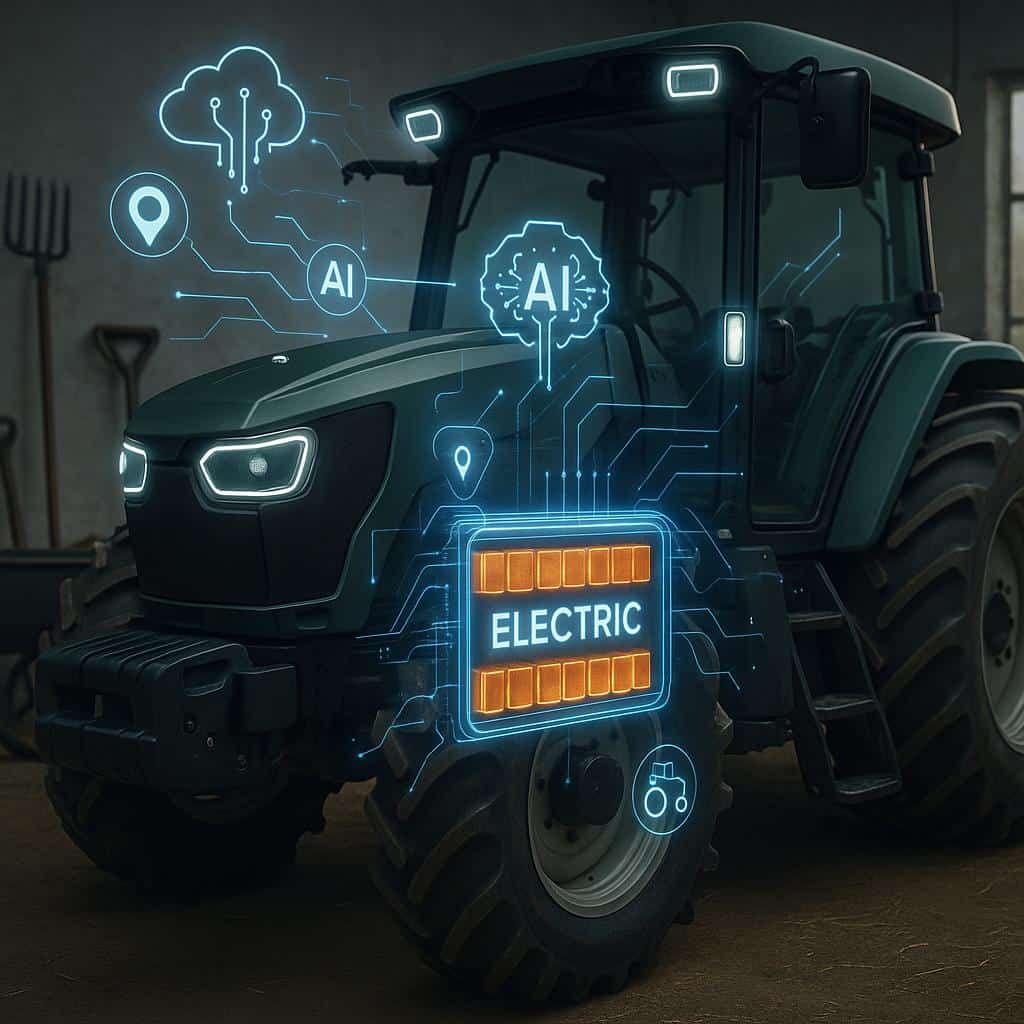
The heart of every electric tractor is its battery. In 2025, we are seeing powerful batteries that last longer and charge faster than ever before. These batteries use advanced materials, like solid-state designs, to store more energy safely. For farmers, this means their electric tractors can work a full day without the long pauses needed to recharge.
Some electric tractors also offer modular batteries. This means farmers can swap out a tired battery for a fresh one quickly, almost like changing batteries in a flashlight. This helps keep the tractor rolling without big delays.
On top of better batteries, electric tractors in 2025 come with smart technology. Sensors and artificial intelligence help the tractor drive by itself, following GPS routes and avoiding obstacles. This makes it safer and allows farmers to focus on other important work. For example, companies like John Deere and Kubota are creating tractors that can automatically steer and adjust speed to work efficiently.
They also connect to digital farm systems that monitor tractor performance in real-time. This means any small issue can be fixed quickly before it becomes a big problem. All these innovations add up to more hours of work with less downtime, helping farmers get the most out of every day.
Electric tractors offer several benefits that directly help increase crop yields. First, because they create no pollution while running, they allow farmers to work earlier or later without worrying about noise or emissions. This flexibility means important tasks can be done exactly when the plants need them the most.
They also cost less to operate than diesel tractors. Electricity is cheaper than fuel, and electric motors need less maintenance because they have fewer moving parts. This saves farmers money, which they can invest back into their fields or new equipment.
Electric tractors deliver power instantly thanks to their motors. This instant torque helps them perform heavy farm tasks smoothly, such as plowing tough soil or hauling heavy loads. Some models also use regenerative braking, which captures energy when slowing down to recharge the battery a little during work.
With precise GPS and sensor controls, electric tractors apply seeds, water, and fertilizer only where needed. This reduces waste and helps crops grow stronger and healthier. Better crop care leads to bigger harvests without extra chemicals, which is good for both farmers and the planet.
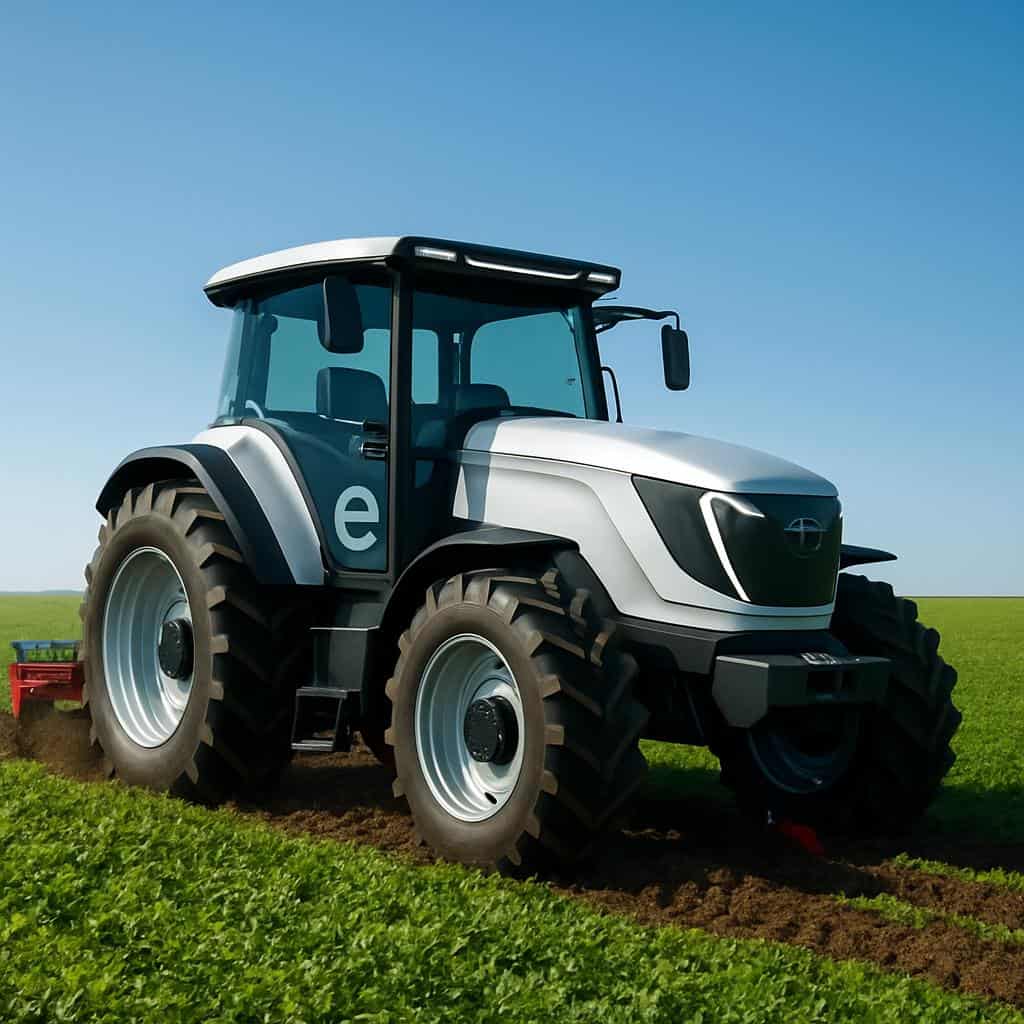
When comparing electric tractors to diesel tractors, several points stand out. Electric tractors have higher upfront costs, but these are often balanced by government subsidies or tax credits that encourage clean energy use. Over time, their operating costs are much lower because electricity is cheaper than diesel fuel.
Maintenance is simpler with electric tractors. Diesel engines need regular oil changes, filter replacements, and engine tune-ups. Electric motors, by contrast, have fewer parts that wear out quickly. Farmers can expect fewer breakdowns and less time spent fixing tractors.
While diesel tractors have longer runtime without needing a break, electric tractors are catching up. Fast charging and battery swapping reduce downtime, allowing electric tractors to work longer hours.
Users often enjoy the smart features on electric tractors, like automated driving and remote controls. Diesel tractors remain familiar and trusted by many operators, but as technology improves, electric tractors are becoming just as easy and even safer to use.
For many farms, a mix of electric and diesel tractors makes sense. Diesel tractors tackle heavy or long tasks, and electric ones handle daily, lighter chores efficiently. This hybrid approach helps farms get the best of both worlds.
Imagine a farmer who used to stop work mid-day to refuel a diesel tractor. With electric tractors in 2025, they can swap a battery in just minutes or use a fast charger to keep going. This means longer time spent planting and harvesting during the best weather.
Electric tractors with GPS planting systems help place seeds at the perfect depth and distance. This reduces crowded plants and ensures each seed gets enough water and nutrients. This precision helps crops grow stronger and healthy.
Because many tractors can operate autonomously, farmers don’t need as many hands on deck. The machines can run through night or day, covering more acreage in less time. This is especially useful during tight planting or harvesting windows.
Lower maintenance and fewer breakdowns mean electric tractors are ready whenever the farm needs them, reducing costly delays in planting or harvesting seasons.
By combining these smart features with satellite monitoring tools like Farmonaut, farmers can watch their fields constantly. They get alerts if crops need more attention, or if machines need servicing. This whole approach makes farming smarter, more efficient, and more productive.
Electric tractors in 2025 don’t work alone. They link to digital farming platforms that help farmers plan, monitor, and manage their work better. Real-time data about battery levels, weather, and soil helps farmers schedule tractor tasks smarter, avoiding downtime and energy waste.
Artificial intelligence suggests the best times for planting, spraying, and harvesting based on crop and weather data. Linking tractors to these platforms means machines are always working at the right pace and place.
Fleet management tools allow farmers with multiple electric machines to coordinate them efficiently. This reduces waiting times and overlaps, making sure every tractor is busy and productive.
Traceability and reporting tools also help farmers prove their sustainable farming practices. This is important for selling crops in markets that value eco-friendly methods.
By joining electric tractors with digital farming platforms, the whole farm works like a well-run team, boosting crop yields and saving resources.
Switching to electric tractors comes with hurdles, but solutions are already in sight. While electric tractors cost more upfront, many governments offer subsidies and tax breaks to make them affordable. This support lowers the initial barrier for farmers to try electric machines.
Battery life concerns are lessening thanks to new technology like solid-state batteries and modular packs that can be swapped easily. Fast chargers and solar-powered charging stations on farms help ensure tractors spend less time idle.
Learning to maintain electric tractors is a new skill farmers and mechanics are picking up quickly. Training programs and manufacturer support make this transition easier.
Policy changes and infrastructure development continue to improve access to electric tractor technology, especially in farming regions focused on sustainability.
Farmers who embrace these innovations today become leaders in sustainable farming, reaping both economic and environmental rewards.
Beyond 2025, electric tractors will get even better. Battery technology will improve, making tractors run longer with less charging. Autonomous and AI features will become smarter, handling more tasks automatically.
More farms will have access to charging infrastructure that runs on renewable energy like solar or wind. This further reduces farming’s impact on the planet.
Market demand for electric tractors will grow, and prices will come down as more companies produce these machines. We can imagine farms where tractors talk to each other, plan their work, and adapt instantly to changing field conditions.
Electric tractors are becoming the heart of modern, sustainable farming. They help farmers grow more food, save money, and protect the environment for future generations.
In 2025 and beyond, these silent, smart machines will be powerful partners for every farmer striving for success.
Electric tractors are changing the future of farming, bringing clean energy and smart technology to the fields. They help farmers work longer, save costs, and care better for their crops. By learning about electric tractors productivity 2025, you see how farming is moving toward a healthier planet and more bountiful harvests.
If you are a farmer or simply interested in farming’s future, electric tractors are worth watching. Consider how these tractors can fit into your work and help you meet your goals. Cleaner, quieter, and smarter farming is possible — and it starts with tools like electric tractors. The future looks bright for farms powered by innovation and care.

Discover how to avoid booking traps with our ultimate guide on heritage stay Kolkata packages. Enjoy an authentic experience without the pitfalls!

Discover how to avoid booking traps with our ultimate guide on heritage stay Kolkata packages. Enjoy an authentic experience without the pitfalls!