Discover how to avoid booking traps with our ultimate guide on heritage stay Kolkata packages. Enjoy an authentic experience without the pitfalls!

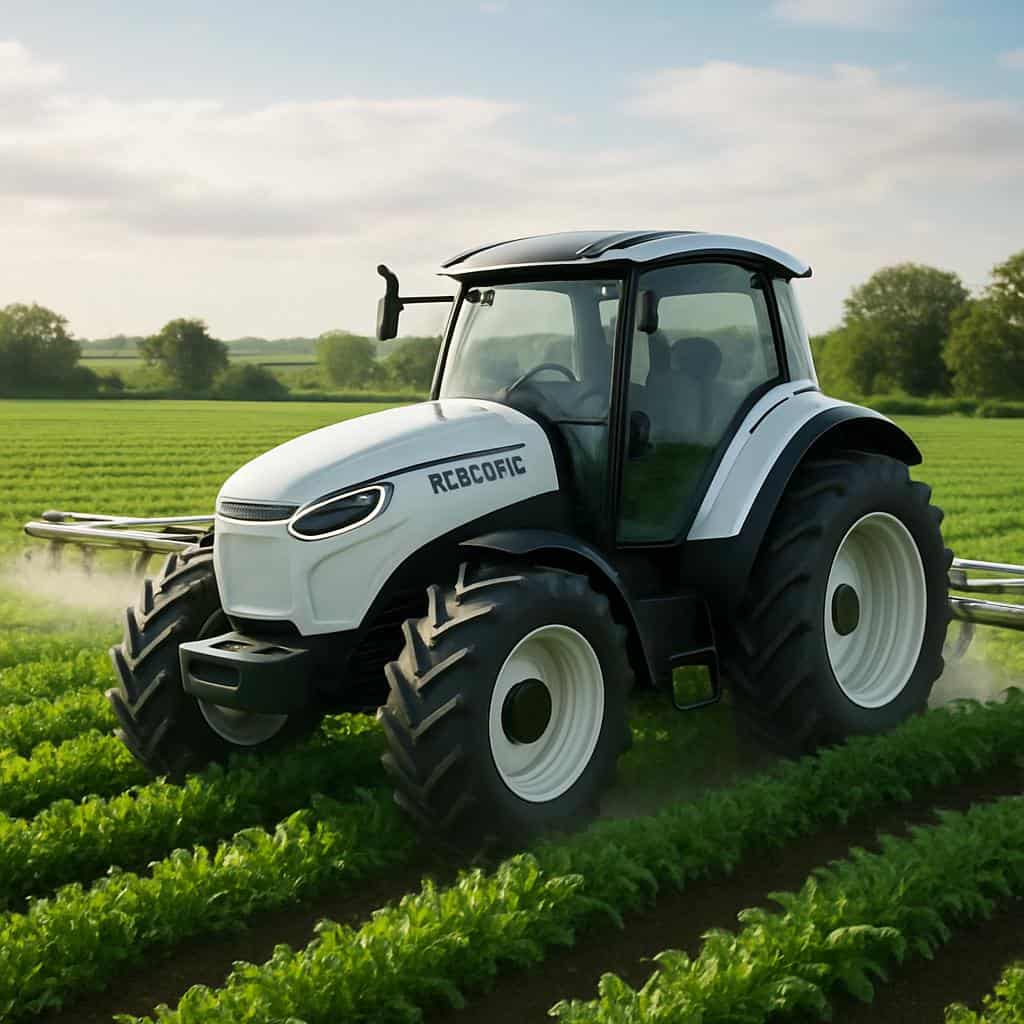
Have you ever thought about how tractors might change in the next few years? Farming has always been about tough work, but exciting new technology is making that work easier and cleaner. One of the biggest changes coming is electric tractor technology. Instead of using noisy, heavy diesel engines, many farmers are starting to use tractors powered by electric motors and batteries. These electric tractors promise less pollution, quieter fields, and smarter farming.
In 2025, electric tractor technology is really taking off. Big companies like John Deere are testing prototypes, and smaller startups are building new models designed to help farmers work better. This year feels like a turning point where electric tractors move from ideas to real tools you can use on the farm. If you want to learn how this new technology can make farming friendlier to the earth and easier for operators, you’re in the right place. Let’s explore the cool innovations, challenges, and future of electric tractors together.
Electric tractors are changing from a neat idea into something farmers are actually using. What makes them popular is that they cut down pollution a lot. Traditional tractors use diesel fuel, which releases dirty gases into the air. Electric tractors run on batteries and don’t burn fuel, so they help keep the air cleaner. That’s good news not just for the environment but for farmers and neighbors who want quieter and healthier farming areas.
Another great thing is electric motors give power right away. Imagine how a remote-controlled car zips off as soon as you press the button. Electric tractors feel similar — they respond quickly and smoothly. Plus, electric tractors often drive like automatic cars, which makes them easier to handle. Some farmers find that this immediate power helps with tasks like spraying crops or loading soil because the tractor moves exactly how they want it.
Big companies like John Deere are working on electric tractor prototypes with about 130 horsepower, enough for many farm jobs. This shows the technology is growing strong enough to do real work, not just small tasks. These tractors not only reduce emissions but also help farmers save money on fuel and maintenance. All this is why electric tractor technology is a key part of farming’s future.
One of the biggest challenges with electric tractors has been their batteries. Batteries need to hold a lot of power but also be light enough to not slow the tractor down. In 2025, there are big leaps in battery technology favoring electric tractors.
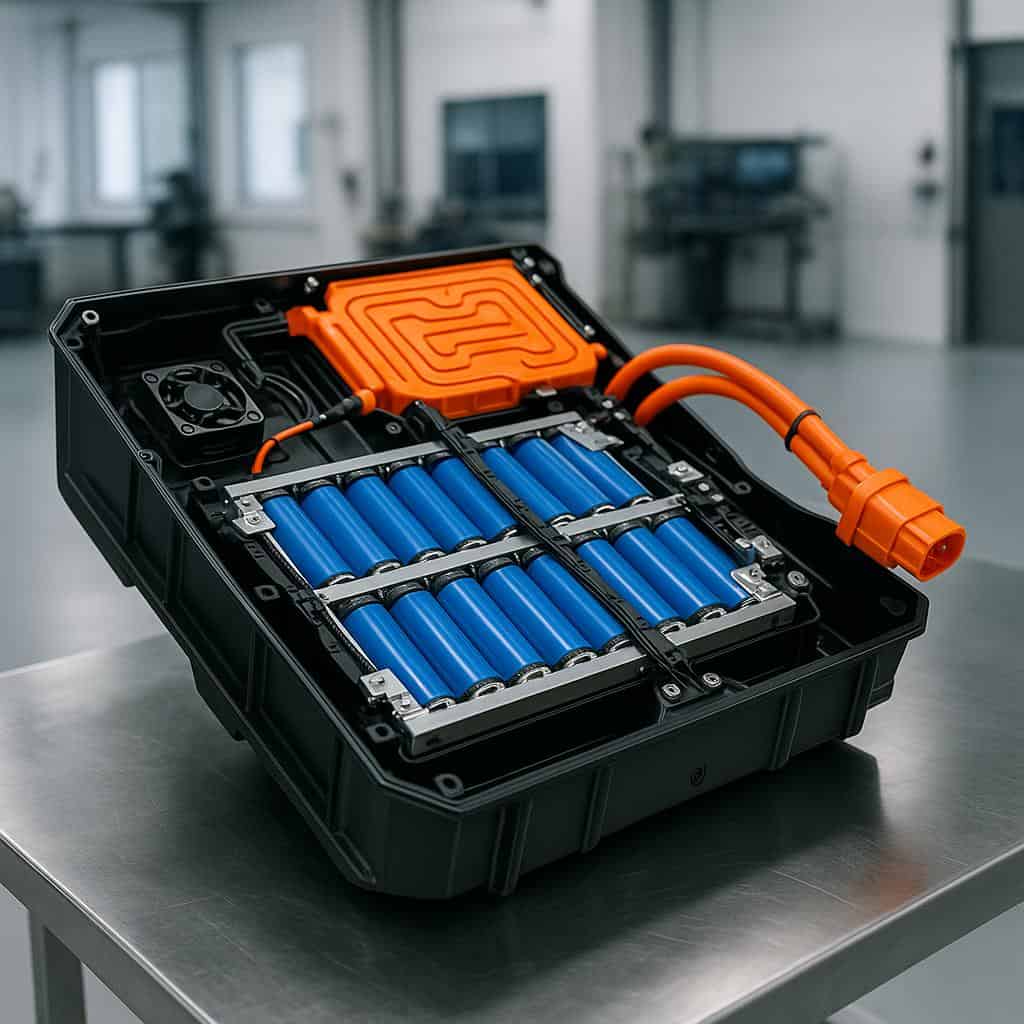
New lithium-ion batteries, like those made by John Deere’s partner KREISEL, are designed to work well in farm tractors. These batteries can stay cool even when working hard, which means the tractor can run longer without overheating. A bigger battery means a tractor can work longer before needing a recharge, so farmers don’t have to stop their work often.
There’s also a cool idea called “distributed propulsion.” Instead of one motor, tractors now have several smaller electric motors in different parts—like at each wheel and for the power take-off (PTO) that runs tools. A company called TADUS, for example, is showing off tractors with this setup. This helps tractors be more powerful, flexible, and efficient at the same time.
Some tractors aren’t fully electric yet but use hybrid systems. These combine a small diesel engine with electric motors. TAFE, an Indian company, is working on a tractor that uses both power sources so it can handle heavier jobs while still being cleaner. This hybrid approach could be a smart step toward full electrification.
One exciting part of electric tractor technology is how they use “by-wire” controls. Traditional tractors have physical steering wheels and mechanical linkages for brakes and power. Electric tractors replace these with electronic signals, meaning steering, braking, and tool control happen digitally through the computer.
This change allows tractors to be more precise and easier to operate. For instance, John Deere’s E-Power prototype uses by-wire controls along with cameras and sensors like LiDAR to help the tractor drive itself. Imagine a tractor that can follow a planned path across a field without needing the driver to steer every inch.
Autonomous features don’t always mean the tractor works completely on its own yet. But partial autonomy reduces the time the farmer needs to focus, helps avoid mistakes, and lets the tractor work longer hours—even during the night.
For farmers, this means less tiring driving and more efficient use of the tractor. When the tractor controls are handled electronically, they can be adjusted and improved through software updates, which also helps farmers keep their machines up to date.
Soil health is very important for farming, and heavy machinery can hurt the soil by compacting it. Electric tractor technology supports new modular designs that help reduce this problem.
Modular tractors allow farmers to swap out parts depending on the job. For example, instead of having separate machines for seeding, spraying, or harvesting, some electric tractors can change their attachments quickly. This means less weight on the soil because the tractor is just the right size for the current task.
One example is Nexat’s gantry planter, which is a huge frame with sections that can be changed out for different farming jobs. This system is electric and supports “controlled-traffic farming,” a method that keeps machinery in fixed lanes. Controlled-traffic farming helps soil stay loose and healthy, which benefits crops.
Electric tractors come in many shapes and sizes, including versions made especially for vineyards, orchards, or specialty crops. These specialty tractors are smaller and easier to maneuver in tight spaces and are perfect examples of how modular, electric machines adapt to real farming needs.
Farming today faces tough rules about pollution and sustainability. Governments want farms to cut emissions, so electric tractors fit into these goals perfectly. They produce zero emissions on site, run silently, and use less fuel money.
Besides batteries, some farms look at other clean energy sources like biofuels or even hydrogen, but electric tractors are often the first step because they are cleaner and quieter.
Electric tractors especially shine on specialty farms, dairies, greenhouses, and municipal operations. These places value quiet machines that don’t release diesel fumes into the air.
Still, there are hurdles. Batteries can be expensive, and charging setups aren’t widespread everywhere. High-horsepower tractors for big fields still mostly run on diesel. Plus, farmers sometimes worry about the resale value and how well electric tractors work with existing tools.
Many farms are trying electric tractors in small steps, testing prototypes or renting before buying. This careful approach helps them learn and plan for a smooth switch when the time is right.
Some of the most talked-about electric tractors in 2025 come from John Deere, New Holland, and Zoomlion.
John Deere’s E-Power tractor prototype offers 130 horsepower from two electric motors—one drives the tractor, and the other powers the PTO. This model uses by-wire controls and can be equipped with big battery packs for longer workdays. Farmers expect to see limited release of this model by 2026.
New Holland’s T4 Electric Power is already in limited production. It has 74 horsepower and a 110 kWh battery that runs for 4 to 8 hours depending on the task. This tractor also includes some autonomy features to assist the operator.
Zoomlion, a Chinese brand, offers hybrid machines like an autonomous combine harvester with 450 horsepower made up of electric motors powered by a diesel generator. This is a sign that electric and hybrid power can be scaled up for big machines.
Startups like Monarch Tractor and Solectrac are also building smaller electric tractors aimed at specialty markets, with features like battery swapping and ready-for-autonomy controls.
Electric tractors offer instant torque, which means they respond fast and make tasks smoother. This can reduce the strain on the operator and help with precise jobs like spraying or working in vineyards.
They run quietly, which is a blessing when working near homes, schools, or inside greenhouses. The quietness also creates a better environment for people and animals around the farm.
Maintenance is easier because electric tractors have fewer moving parts. There are no oil changes, no diesel filters, and no exhaust systems to fuss with. This means less downtime and often lower repair bills.
Plus, they help reduce harmful emissions and fit well with climate goals. Some farms might even get government incentives or rebates for using electric tractors, making them more affordable.
Electric tractors can also be very flexible, with controls that let farmers manage power for tools and hydraulics through software. This customization ensures the tractor fits the farm’s unique needs.
There are still challenges to using electric tractors. Batteries weigh a lot, cost quite a bit, and need time to recharge. Today’s electric models mostly cover low to medium horsepower jobs and have shorter runtimes compared to diesel.
Charging infrastructure is not available everywhere, and farms might need to upgrade their electrical systems. Also, electric tractors might not fit perfectly with all existing farm tools, especially those designed for diesel PTOs.
Because of these hurdles, many farmers begin with pilot tests and buy just one tractor to try it out. This helps them understand the technology and plan for expanding their electric fleet later.
Thinking ahead about total cost of ownership—factoring in purchase price, fuel savings, and maintenance—helps farmers make smart decisions for their business.
Looking beyond 2025, electric tractor technology is expected to grow quickly. Battery costs should drop, making electric machines more affordable for more farms.
We also expect to see more tractors with autonomous driving and robotic farming features. Hybrid systems could make bigger and more powerful machines possible while still cutting emissions.
Modular, AI-driven electric tractors will support precision farming by helping farmers use inputs wisely and protect soil better than ever before.
Industry efforts like the Agricultural Industry Electronics Foundation’s interoperability network will help electric tractors work smoothly with tools and software from many brands. This means farms can mix and match machines without worrying about compatibility.
Electric tractors are part of a larger farming revolution that will make agriculture smarter, cleaner, and more efficient in the years ahead.
Farming is changing quickly, and electric tractor technology is at the heart of that change. It brings fresh possibilities for farmers who want better tools that care for the land and their communities.
If you’re curious about electric tractors, now is a great time to learn and explore how they might fit your farm. With benefits like instant power, quiet operation, and easier maintenance, electric tractors are ready to help grow a cleaner, smarter future for farming. Keep an eye on this exciting technology — it’s here to stay and will only get better with time.

Discover how to avoid booking traps with our ultimate guide on heritage stay Kolkata packages. Enjoy an authentic experience without the pitfalls!

Discover how to avoid booking traps with our ultimate guide on heritage stay Kolkata packages. Enjoy an authentic experience without the pitfalls!