Discover how to avoid booking traps with our ultimate guide on heritage stay Kolkata packages. Enjoy an authentic experience without the pitfalls!

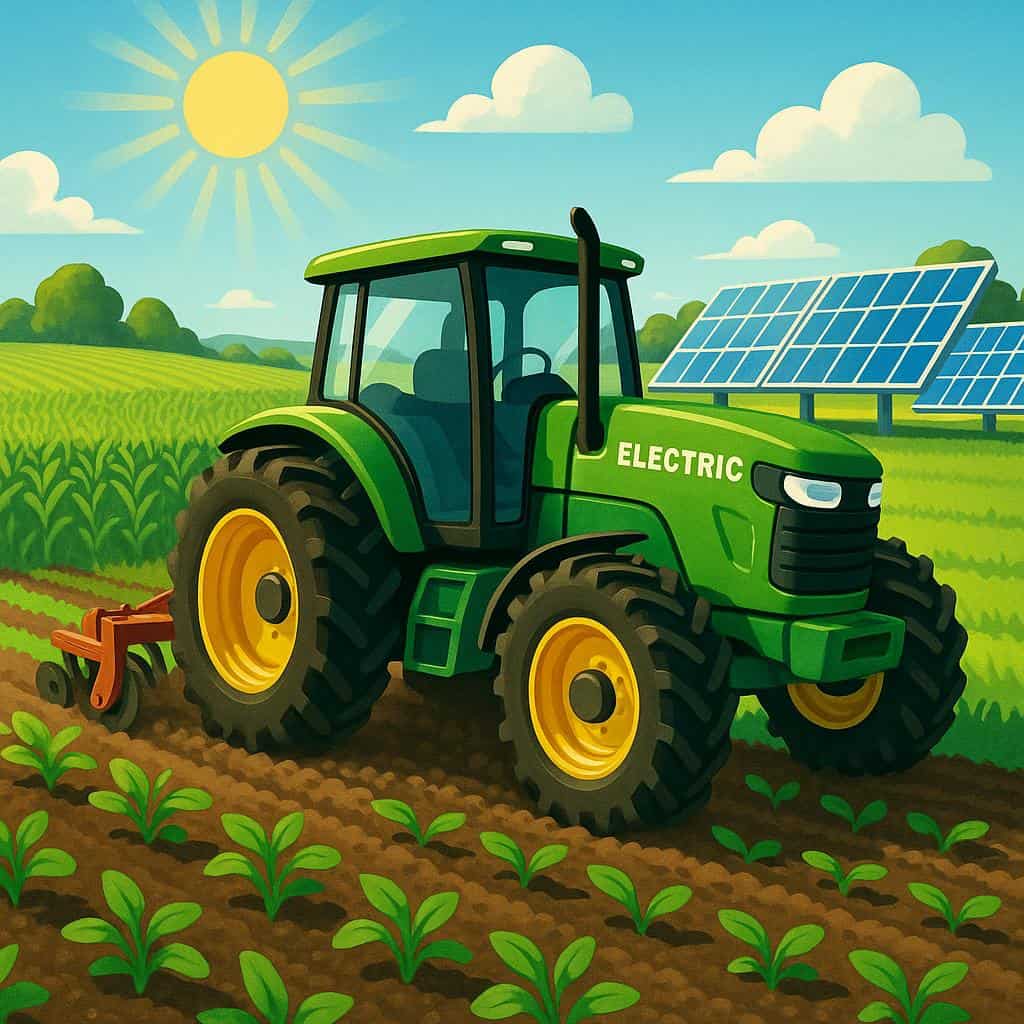
Have you ever wondered how farmers might grow food without loud, smoky tractors running all day? It sounds like a scene from the future, but it’s actually happening right now. Electric tractors are quietly rolling into farms everywhere, helping to bring what many call the green revolution in farming. These battery-powered farm machines are changing the way people work the land, making farming cleaner and kinder to our planet.
In 2025, electric tractors are moving from being rare gadgets to becoming regular helpers on many farms. They use electricity instead of diesel fuel, which means less pollution and quieter workdays. Farmers are excited because these machines can save money while keeping the air fresh and clean. Whether you have a small farm or a medium-sized one, these new tools are shaping how we grow food with better care for the Earth. Let’s explore how electric tractors are driving this green revolution and making farming smarter and more sustainable.
Electric tractors are powered by batteries instead of diesel engines. Thanks to big improvements in battery technology, these machines can work longer and charge faster. In the past, electric tractors were uncommon because the batteries didn’t last long enough, and charging took too much time. But today, smart power systems and better charging stations make electric tractors practical for everyday farm use.
More and more small and medium farms are choosing electric tractors because they help save money on fuel and do not pollute the air. These zero-emission farm machines are part of a larger shift in agriculture toward using renewable energy like solar and wind power. Imagine a farm where the tractor is charged by sunlight during the day, making the whole operation even cleaner and greener. This connection between electric tractors and renewable energy is a big part of the green revolution sweeping across farming communities.
One of the best reasons farmers love electric tractors is how they save money. Unlike diesel tractors, electric tractors don’t need fuel, oil changes, or complicated engine fixes. Electric motors have fewer parts that can break down, which means the tractors need less maintenance. When you add up the cost of electricity versus diesel fuel, the savings grow even bigger. For example, running an electric tractor costs just a few dollars an hour compared to over ten dollars for diesel. Over time, these savings really add up, making electric tractors a smart investment for the future.
Electric tractors produce zero emissions, which means they don’t release dirty exhaust into the air like diesel tractors do. This is especially important near homes and schools where clean air helps keep everyone healthy. By reducing carbon footprints and harmful gases, electric tractors support sustainable farming practices. Consumers want food that’s grown in a way that is gentle on the planet, and electric tractors are part of meeting that promise.
Unlike the roar of diesel engines, electric tractors quietly hum as they work. This noise reduction means farmers can work early mornings or late evenings without worrying about disturbing neighbors or animals. In places like orchards or greenhouses, where quiet operation is important, electric tractors bring calm to the workday. This helps farmers focus better and makes farm life more pleasant for everyone.
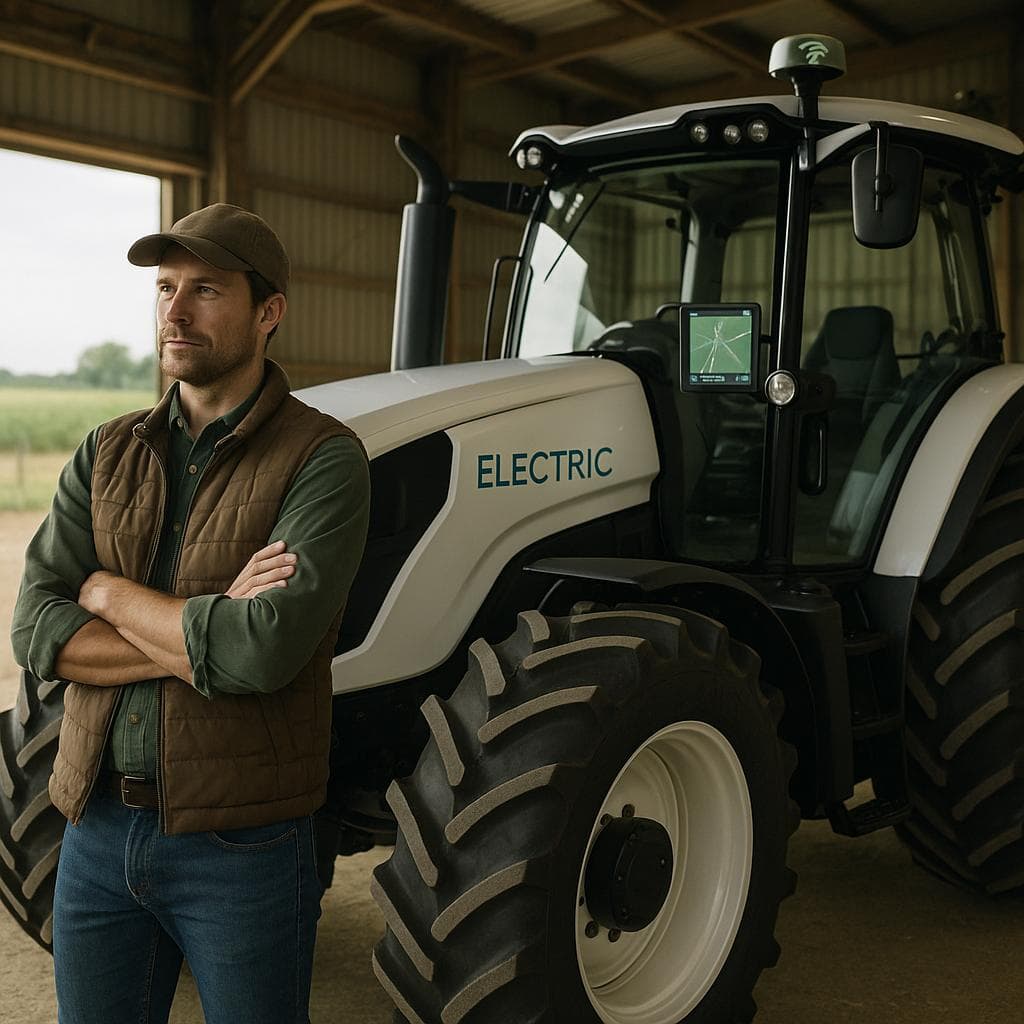
Electric tractors also come with modern tech advantages. Electric motors provide instant power, helping farmers get jobs done smoothly without the jerky starts or stalls sometimes seen in diesel machines. Many models can connect with GPS and AI systems for smart farming, which means tractors can follow precise paths, spread fertilizer only where needed, and even begin moving on their own. This technology not only saves time but also helps farmers care more carefully for their land.
Electric tractors shine on farms that grow specialty crops or run smaller operations. Their size and power make them perfect for tasks like mowing, spraying, or working in orchards and greenhouses. Brands like Monarch Tractor and Solectrac have made models especially designed for these uses. Farmers with solar panels or wind turbines find that they can charge their electric tractors right from their clean energy sources, making their whole farm operation more sustainable.
Pilot projects and farmer events have shown that these tractors are easy to use and cost-effective. Researchers at places like Michigan State University have heard positive stories from farmers about how quiet and smooth electric tractors are. Many farmers find these machines a great fit for the way they work, blending new technology with old farming wisdom.
Electric tractors work a lot like electric cars but built tough for farms. Instead of a diesel engine, they have electric motors powered by big batteries. These batteries are measured in kilowatt-hours (kWh), which tells how much energy they hold. The size of the battery and the power needed for tasks decide how long a tractor can run before needing a recharge.
For example, John Deere’s E-Power prototype has about 130 horsepower and uses special cooling to keep the battery working well. It can recharge overnight or get a quick charge in about an hour with the right station. New Holland’s T4 Electric Power model offers about 74 horsepower with a 110 kWh battery and can typically run for four hours under normal farm work. Fast chargers help farmers get back to work quickly without long waits.
Charging happens through either regular AC (like plugging in a home appliance overnight) or faster DC charging stations. Farm conditions, load on the tractor, and weather can affect how long the battery lasts, but electric tractors today are designed to meet real farm needs.
Electric tractors can cost more to buy upfront than diesel models, mainly because batteries are still expensive. However, the total cost of ownership over the years often favors electric tractors due to much lower fuel and maintenance expenses. Fewer moving parts mean fewer repairs and less downtime.
Farmers need to consider how often the tractor will be used, local electricity prices, and how easy it is to charge when deciding if an electric tractor makes sense for their farm. Warranties often cover batteries for several years, helping reduce risk. Resale values for electric tractors are still developing but may increase as demand grows with the green revolution.
Electric tractors face some common challenges. They currently have horsepower limits that make them better suited for lighter tasks rather than giant soil tilling across thousands of acres. Charging stations are not yet everywhere, especially in rural areas, meaning some farmers install their own solar-powered charging.
Farmers often create hybrid fleets, using electric tractors for daily chores and diesel tractors when heavy work calls. Government incentives, subsidies, and grants also help ease the cost of switching. Over time, these hurdles are shrinking as technology and infrastructure improve.
Electric tractors aren’t standing still. They are becoming part of a bigger picture that includes autonomous driving and smart sensors. Machines like Monarch Tractor already offer self-driving features, letting farmers focus more on the health of their crops than on steering.
Pairing electric tractors with renewable energy sources like solar and wind creates a farm that runs cleaner and cheaper. This growing blend of green power and smart machines is shaping a bright future for sustainable farming where environmental care and efficiency go hand in hand.
Electric tractors are not just new farm equipment—they are a key part of the green revolution that’s making farming better for the planet and farmers alike.
As electric tractors become more common, they offer farmers a chance to save money, cut pollution, and enjoy quieter workdays. They fit especially well on small and medium farms, specialty crops, and places where renewable energy is part of the plan. Though challenges remain, more farmers are choosing electric because it’s a smart and kind choice for the future.
If you’re curious about how electric tractors might work for your farm, now is a great time to explore options and pilot programs. Pairing an electric tractor with your own solar panels or wind turbines can help you save money and protect the environment. With these machines helping us grow food in cleaner, smarter ways, the green revolution in farming is already happening around us. It’s an exciting step toward a fresher, greener tomorrow.

Discover how to avoid booking traps with our ultimate guide on heritage stay Kolkata packages. Enjoy an authentic experience without the pitfalls!

Discover how to avoid booking traps with our ultimate guide on heritage stay Kolkata packages. Enjoy an authentic experience without the pitfalls!