Discover how to avoid booking traps with our ultimate guide on heritage stay Kolkata packages. Enjoy an authentic experience without the pitfalls!

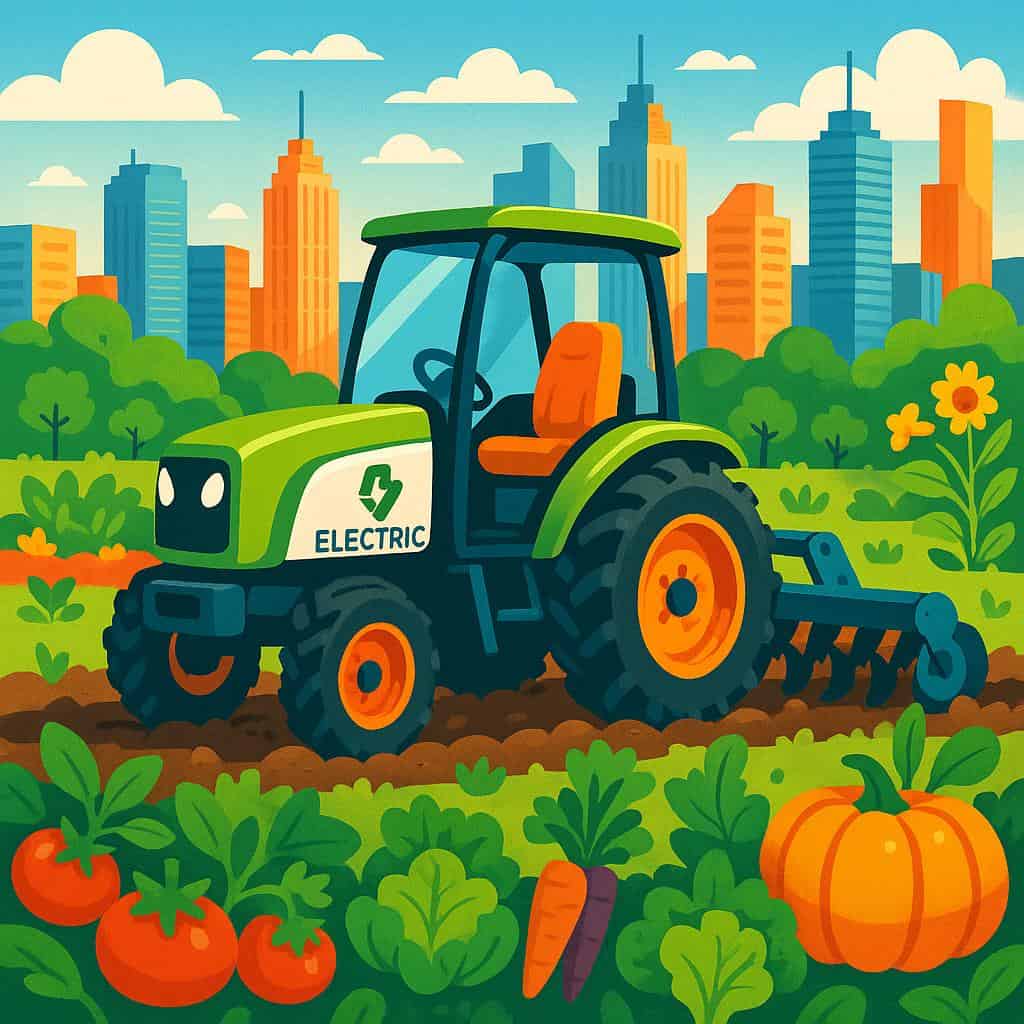
Have you ever thought about how farms fit inside busy cities? With more people moving to towns and cities, growing fresh fruits and vegetables nearby is becoming a big idea. That's where urban electric tractors come in. These modern machines help city farmers work their land cleanly and quietly, without the smoke and noise of older tractors. Imagine a small, friendly tractor running on batteries, helping gardeners and farmers in tight spaces grow healthy food for their communities.
Urban electric tractors are changing the way city farming works. They use electricity instead of gas or diesel, which means less pollution and lower noise. This is super important where people live close together, and the air needs to stay clean. These tractors also save money over time because they don’t need as much fixing or fuel. For anyone curious about farming in a city, these electric helpers are making the work easier and kinder to the planet. Let’s take a closer look at what makes them special, how they help, and why so many are excited about them today.
Urban electric tractors are like regular tractors but smaller and powered by batteries instead of gas. This means they don’t make any smoke or loud engine sounds, which is a big plus in busy neighborhoods. Because they run on electric motors, these tractors are smooth and quiet, helping farmers who work early in the morning or late at night without disturbing their neighbors.
Instead of carrying big fuel tanks, urban electric tractors use rechargeable batteries. These batteries can be charged right where the tractor is kept, sometimes even using solar power from rooftop panels. The tractor’s electric motor turns the wheels and tools, making it strong enough for many kinds of farm jobs. This setup also means the tractors need less maintenance, so farmers spend less time fixing machines and more time caring for their crops.
Because these tractors are smaller and quieter, they fit perfectly in urban farms, community gardens, and rooftop farms. Many have clever designs that allow them to work well in tight spaces where traditional, noisy tractors wouldn’t be able to go.
Electric farm tractors run from batteries that store electricity. These batteries are powerful and designed to last long enough for a full day's work on small farms. Charging can be done overnight or during breaks, sometimes using electricity generated from renewable sources like wind or sun. This not only keeps the tractors running cleanly but also helps farmers use energy that doesn’t harm the environment.
Battery electric tractors have fewer parts that can break down, meaning less time and money spent on repairs. They also produce zero emissions, which protects the air quality close to where people live and work. This is especially important in cities, where air pollution can be a serious problem.
Electric tractors are perfect for urban farming because they help keep cities fresh and green. They don’t create the noisy engine sounds or thick smoke that diesel tractors make. This quiet and clean operation is vital for places where homes, schools, and parks are nearby.
They also save money. Farmers don’t have to buy expensive fuel, and there are fewer parts to wear out or replace. Over time, this means electric tractors can cost less to keep running than a traditional tractor. Plus, many electric tractors charge quickly, so farmers can get back to work without waiting a long time.
Electric tractors also help take care of the soil. They are usually lighter than diesel tractors, so they don’t press down on the ground as much. This protects tiny soil creatures and keeps the earth healthy, which is essential for growing strong plants.
Many urban farms can even charge electric tractors using solar panels on rooftops or wind turbines nearby. This clean energy helps farmers use less fossil fuel and makes their farming even greener.
By using zero emission tractors, urban farmers help reduce harmful gases that contribute to climate change and air pollution. Cleaner air means healthier people, especially children and the elderly. Quieter tractors also make neighborhoods more peaceful, so everyone enjoys the natural sounds of birds and wind instead of noisy engines.
Though smaller than traditional farm tractors, urban electric tractors are built to handle plenty of different jobs. They are especially good at work where space is tight, and power needs vary. For example, they can prepare soil for planting by tilling, move supplies like soil or compost across the farm, or mow grass and weeds in gardens and greenhouses.
Their size and quiet operation make them ideal for rooftop farms, where heavy machines can’t be used safely. They can also work well in community gardens, helping volunteers who want to keep spaces green and productive.
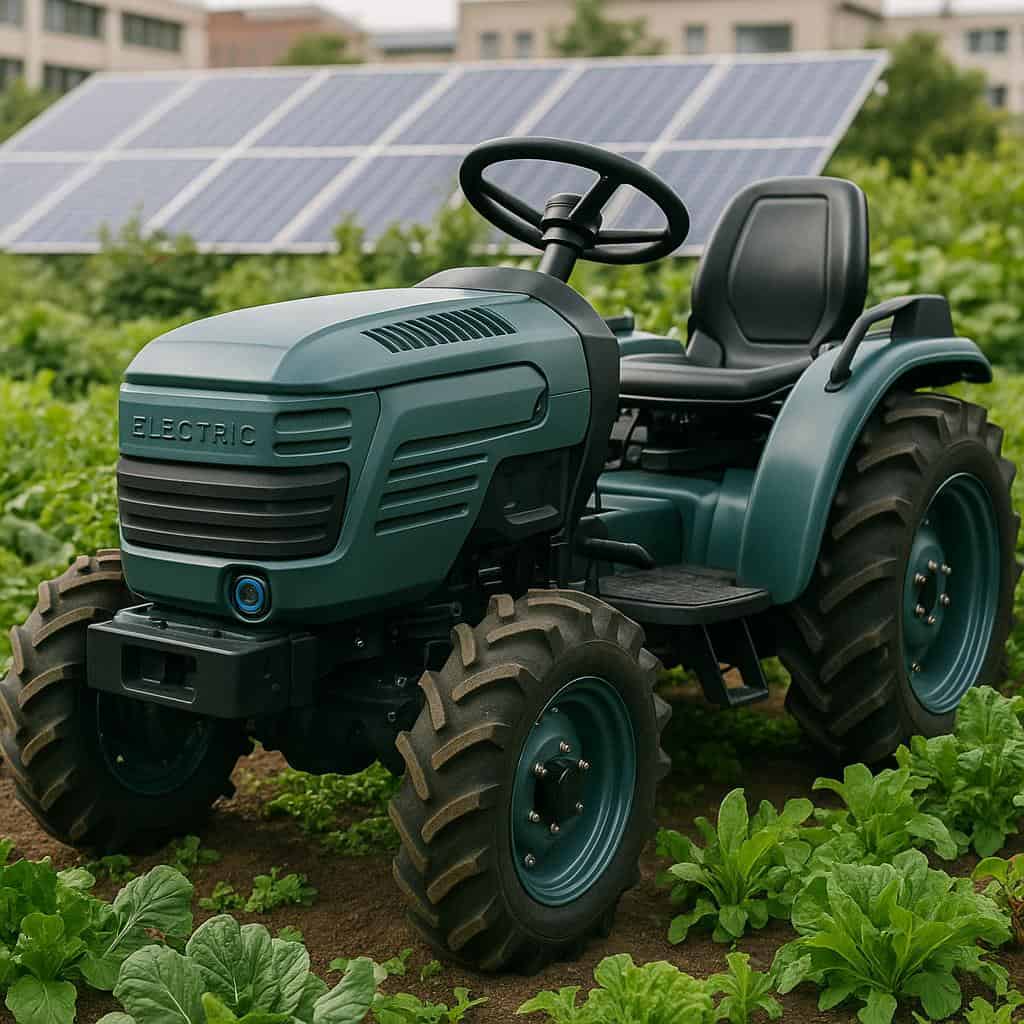
At a recent event in Michigan, farmers working with specialty crops like carrots and asparagus found electric tractors helpful for working between narrow rows. These tractors let them farm more sustainably while keeping costs down and making less noise. The small size and clean power make them well-suited for farms growing unusual or delicate vegetables in cities.
Electric tractors are made with urban farms in mind. Whether it’s a small local farm, a school garden, or a rooftop growing fresh vegetables, these tractors do the necessary heavy lifting without disturbing neighbors or the environment. They provide just the right kind of power and convenience for these special settings.
The world of electric tractors is growing fast, with new battery tech and smart farming tools making these machines better every year. Batteries are lasting longer and charging faster thanks to advances like solid-state designs and modular packs that can be swapped quickly.
Read Also: Best Google Redirect Backlink List 2026 [Updated]
Many electric tractors now connect to smart technology like GPS, sensors, and apps. This means farmers can track tractor performance, plan field operations precisely, and even get alerts when maintenance is needed. These smart systems help save energy and improve farm productivity.
Renewable energy integration is a big focus too. Some farms use solar or wind power to charge their tractors directly, making the whole operation greener and more cost-effective. Researchers and companies are working hard to build tractors that run all day with these clean energy sources.
Universities and businesses are also exploring pilot programs with electric tractors. For example, Monarch Tractor offers models designed for sustainable urban and specialty farming. These projects are paving the way for wider use of electric tractors in cities and small farms around the world.
Electric tractors usually cost more to buy at first, but they save money over time. Since electricity is cheaper than diesel and repair costs are lower, electric tractors become economical in the long run.
In performance, electric tractors deliver great power and torque right from the start, which makes them excellent for many farm jobs. They also operate quietly, unlike diesel tractors, which can be very loud and polluting.
Maintenance is simpler for electric tractors because they have fewer moving parts, no oil changes, and less wear on engines. This means less downtime and less money spent on repairs.
However, electric tractors need regular charging, and their batteries have limits on how long they can run before needing a recharge. Fast charging and battery swapping are improving, though, and many farmers find the benefits outweigh the small challenges.
For urban farms, electric tractors offer a cleaner, quieter, and more neighbor-friendly option than diesel machines.
Charging urban electric tractors is easy and fits well into city farming routines. Many farms use Level 1 charging, which is slow but good for overnight charging and light work. More urban farms have access to Level 2 charging, which is faster and fits well in garage or farm shed setups.
Some farms are beginning to use fast charging technology, which fills batteries much quicker, reducing waiting time during busy days. The best option is often charging with renewable energy like solar panels on farm buildings or local community energy grids.
Taking care of electric tractors is simpler than diesel tractors. Farmers focus on battery health, making sure the batteries don't get too hot or run too low. The electric motors need little maintenance, but occasional checks keep them running smoothly. Software updates are also important to make sure the tractor’s smart systems work their best.
Overall, these tractors save money in energy and maintenance while helping farms run more sustainably.
While urban electric tractors bring many benefits, there are some challenges to overcome. The upfront cost can be a hurdle for small farms with tight budgets. Charging stations need to be more common and faster to serve all types of farms, especially those without easy electricity access.
Battery life and range can worry some farmers, especially for longer, heavier jobs. However, technology is rapidly improving, with better batteries and modular swapping systems making these tractors more practical every year.
Farmers need to learn how to use and fix electric tractors, which can require new skills. Support for training and maintenance will be key as electric tractors become more popular.
Governments and companies are working on solutions, like offering incentives, building charging infrastructure, and funding research. The demand is there, with many urban and specialty crop farmers eager to adopt cleaner, quieter machinery.
Urban electric tractors are more than just machines; they are helping grow a cleaner, healthier, and more sustainable future for farms in cities. These quiet, clean tractors support farmers who want to care for their crops without harming their neighbors or the environment.
Technology keeps getting better, and with smart tools and renewable energy joining in, these tractors are becoming friendly helpers everyone can count on. Whether you’re dreaming about starting a city garden or curious about how farming fits into urban life, electric tractors are paving the way to a greener tomorrow.
If you want to explore how urban electric tractors could work for you or your community, many farms and programs offer chances to learn and try these exciting machines. Together, we can grow food and hope in our cities—powered by clean energy and smart thinking.

Discover how to avoid booking traps with our ultimate guide on heritage stay Kolkata packages. Enjoy an authentic experience without the pitfalls!

Discover how to avoid booking traps with our ultimate guide on heritage stay Kolkata packages. Enjoy an authentic experience without the pitfalls!