Discover how to avoid booking traps with our ultimate guide on heritage stay Kolkata packages. Enjoy an authentic experience without the pitfalls!

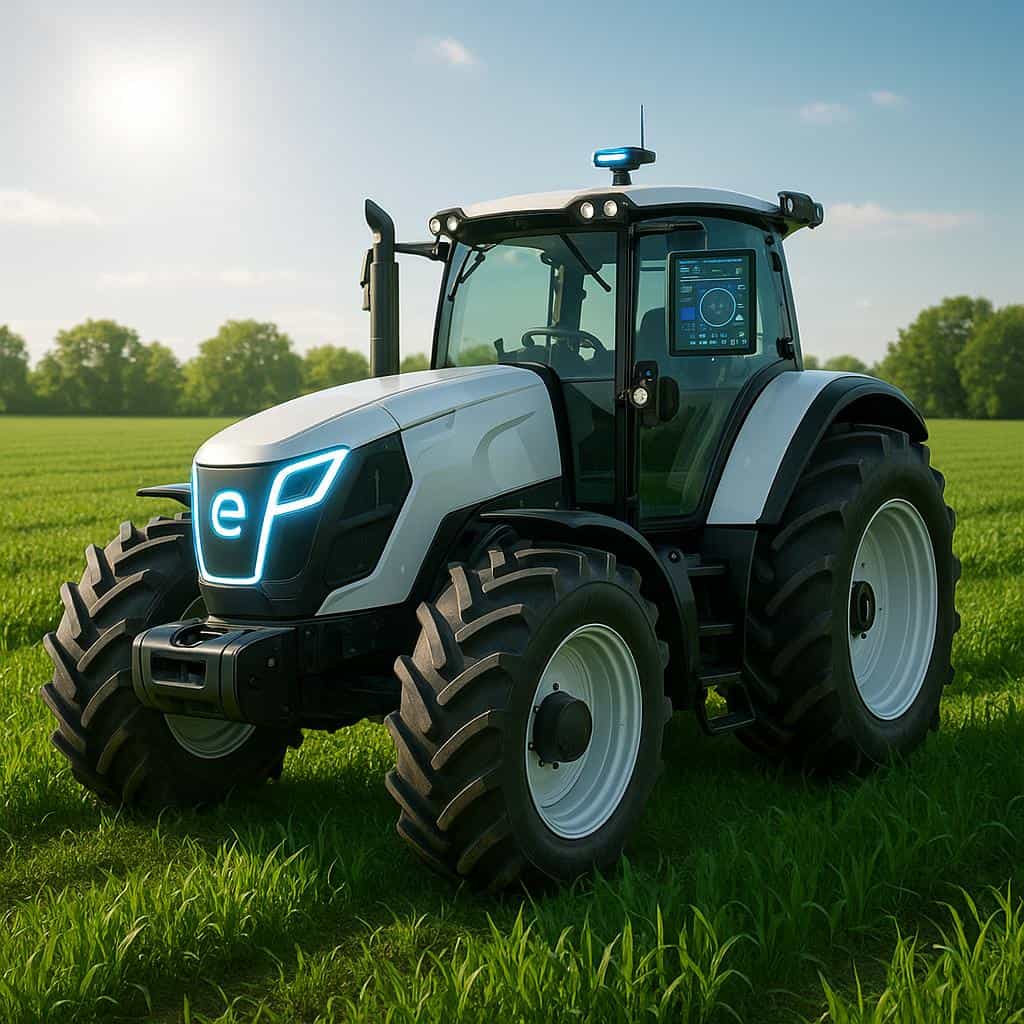
Have you ever wondered how farms are changing with all the new technology popping up? Farming today isn’t just about tractors and fields—it’s about smart ideas and electric machinery that make work easier, cleaner, and more efficient. One exciting change to watch is the rise of smart farming electric tractors. These tractors combine the power of electric engines with smart technology to help farmers get more done while taking care of the Earth.
Smart farming is all about using tools like computers, sensors, and even robots to help farms run better. Electric tractors fit right into this picture. They don’t need fuel like old tractors and make almost no pollution, which is great for our planet. Imagine a tractor that can work almost by itself, saves money on gas, and helps farmers handle big jobs without wearing them out. That’s what smart farming electric tractors are doing in 2025 and beyond.
If you’re curious about how this new wave of farm technology is changing the game, you’re in the right place. Let’s walk through what smart farming means today, why electric tractors are becoming the future, and how these smart machines work together for better farming.
Smart farming uses modern technology to help farmers take better care of their crops and land. Instead of guessing how much water or fertilizer to use, farmers now rely on data from sensors and satellites that tell them exactly what the crops need. This careful attention means healthier plants and less waste.
Many farms have started using tools like drones to fly over fields and spot problems early. They also use robots and machines that can plant seeds and harvest crops with great precision. A lot of big farms—about 68% of them—already use smart tools like these to get better results (source: USDA).
One important tool in smart farming is the autonomous tractor. These tractors can drive themselves using GPS and sensors. This means they can work long hours without tiring and can plant or plow fields exactly where they’re supposed to. It’s like having a helper who never sleeps and always works carefully.
Other smart tools include irrigation systems that only water plants when needed, robotic harvesters that pick fruits gently, and drones that check crops from above. All these work together to make farms more productive and eco-friendly.
Electric tractors are changing the way we think about big farm machines. Instead of running on diesel fuel that can be loud and dirty, electric tractors use batteries or clean fuels like hydrogen. This means they don’t leave smoke or harmful gases in the air.
Because electric tractors have fewer moving parts, they don’t need as much fixing or oil changes. This cuts down on maintenance costs a lot. Also, these tractors are much quieter, so farmers can work early in the morning or late at night without bothering nearby neighbors.
Some well-known companies like John Deere, Monarch, and Sonalika are now making electric tractors that farmers love. Right now, these tractors work really well for small to medium farming jobs but are growing stronger for bigger tasks, too. In fact, hydrogen-powered tractors are becoming a popular green option for the biggest jobs, producing zero pollution and running efficiently (source: The Tractor Adda).
Electric tractors fit perfectly with smart farming technology because they can connect to the internet and share data about their battery life, performance, and location. This helps farmers keep everything running smoothly without surprises.
Imagine a tractor that knows just what to do without a driver. That’s what autonomous tractors do. These smart machines use artificial intelligence (AI), GPS, sensors, and special laser technology called LiDAR to move around fields safely and do tasks like plowing, seeding, or spraying crops.
AI technology helps these tractors plant seeds at the perfect depth and space them just right, so crops grow better and yields go up. They also have safety features to avoid obstacles like animals or people and can be controlled remotely through phones or computers if needed.
For example, John Deere’s Autonomous 8R Tractor and Mahindra’s driverless tractors are making waves because they can work around the clock, which helps farms save time and deal with worker shortages (source: John Deere Autonomous, Blue Bridge Financial).
With these tractors working harder and smarter, farmers can focus more on planning and less on long hours behind the wheel.
The Internet of Things, or IoT, might sound complicated, but it just means that machines and sensors talk to each other over the internet. Smart electric tractors are part of this connected world.
Sensors on tractors monitor everything from soil moisture and weather to engine health and battery status. This real-time data helps farmers know if their tractor needs a little tune-up before something breaks or if a field needs extra water or nutrients.
For example, soil sensors developed by Iowa State University can constantly measure nitrogen levels—an important nutrient for crops—so farmers apply fertilizer only when necessary (source: Nitrogen Sensors). Tractors with smart telemetry also send updates on fuel and battery use, which helps save money and keeps everything running without downtime.
By keeping everything connected, smart electric tractors help farms work more smoothly and avoid costly repairs.
Precision farming means giving each part of a field exactly what it needs instead of treating the whole field the same way. This helps farmers use seeds, water, and fertilizers only where they’re needed.
Variable Rate Technology (VRT) is one smart method that lets tractors change how much seed or fertilizer they drop as they move across different parts of a field. For example, if one area has better soil, the tractor might plant fewer seeds there because plants will grow easily. In places where soil is tougher, it can add more fertilizer.
This careful use saves money, protects the environment, and grows stronger crops. Smart electric tractors are the perfect machines to carry out VRT because their computer systems use GPS and sensor data to adjust on the go.
Big companies like Trimble and Case IH make GPS technology that supports this level of precision, helping farmers get the most from every inch of their land (source: Blue Bridge Financial).
Water is one of the most precious resources on a farm. Smart irrigation systems use sensors to check soil moisture and weather conditions. Instead of watering plants on a fixed schedule, these systems only release water when crops actually need it.
This method saves a lot of water and lowers bills. It also keeps plants healthy because overwatering can harm roots and lead to diseases.
These irrigation systems work with smart tractors through IoT connections. For example, when soil sensors detect dry spots, tractors can adjust their work or alert farmers to apply water or nutrients exactly where they’re needed.
Companies like Valley Irrigation have developed smart irrigation tools that help farmers manage water better, making farms more sustainable and productive (sources: Valley Irrigation, Oklahoma State University).
Flying machines called drones and orbiting satellites give farmers a bird’s-eye view of their fields. These tools take pictures and gather data to spot pests, diseases, or nutrient problems early—before they spread.
Drones can fly low and close to plants, catching details a person on the ground might miss. Satellites cover large areas and track changes across many fields, helping with big-picture decisions.
Farmers use this information along with data from smart tractors to make better choices, like where to spray pesticide or add fertilizer.
It’s important to follow local rules for drone flights, as some places have restrictions to keep wildlife and neighbors safe (source: Iowa Drone Restrictions). Still, when used properly, these tools are powerful helpers in modern farming.
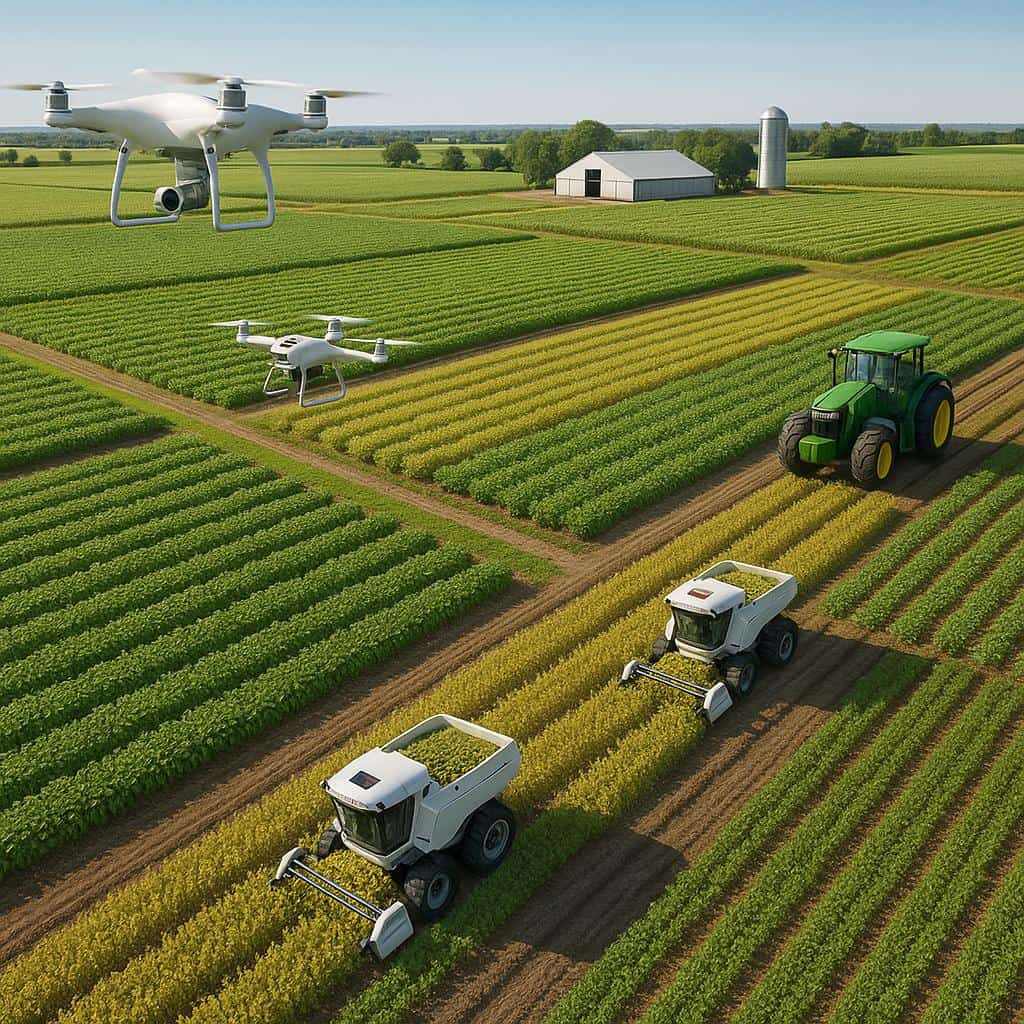
Harvest time is often the busiest and hardest part of farming. Robotic harvesters are machines designed to pick fruits and vegetables gently and efficiently. This helps when there aren’t enough workers available.
Robotic harvesters work well with delicate crops like strawberries and apples. They reduce waste because they pick at the right ripeness and don’t bruise the produce.
These robots team up with electric and autonomous tractors to create a farm that runs almost on its own, saving farmers time and money (source: Agrobot).
Switching to smart farming electric tractors brings many benefits. These machines cut fuel and maintenance costs, reduce pollution, and help farms grow more crops with less waste.
Upgrading your farm equipment might seem like a big step, but it pays off by making work easier and more precise. You’ll save money over time and be ready for a future where technology leads the way.
Plus, smart equipment gives farms a competitive edge. Farmers using the latest tools can produce better crops, meet sustainability goals, and handle worker shortages more easily.
Getting new technology can be expensive, but financing is a smart way to make it work within your budget. Financing lets you own your smart electric tractors and equipment while paying over time. This helps build equity and gives you the freedom to use your machines as you wish.
Blue Bridge Financial offers equipment financing designed especially for farmers buying electric tractors, smart irrigation systems, drones, and more. Their easy application process helps you get the tools you need without hassle (source: Blue Bridge Financial).
Owning your equipment means you’re investing in your farm’s future, not just renting machinery.
Smart farming electric tractors are changing agriculture by making farms greener, smarter, and more productive. These machines bring together electric power, artificial intelligence, and connected technology to help farmers grow more food with less waste and less effort.
If you’re ready to explore how smart farming and electric tractors can work for you, there’s never been a better time. Start small, learn as you go, and watch your farm become more efficient and sustainable.
For anyone looking to upgrade, financing options like those from Blue Bridge Financial can make this exciting future easier to reach. Embracing smart farm technology is not just a good idea—it’s an investment in your farm’s health and success for years to come.

Discover how to avoid booking traps with our ultimate guide on heritage stay Kolkata packages. Enjoy an authentic experience without the pitfalls!

Discover how to avoid booking traps with our ultimate guide on heritage stay Kolkata packages. Enjoy an authentic experience without the pitfalls!