Discover how to avoid booking traps with our ultimate guide on heritage stay Kolkata packages. Enjoy an authentic experience without the pitfalls!

Have you ever wondered if there’s a better way to run a farm that saves money and helps the planet? Many farmers are asking the same thing. In recent years, electric tractors have started to change the way farms work. These battery-powered machines are becoming popular because they help families save on fuel and maintenance costs while making farm work quieter and cleaner. If you’re curious about how cost savings electric tractors bring farm efficiency in 2025, you’re in the right place.
Electric tractors are not just a new gadget; they are a smarter way to farm. Unlike traditional diesel tractors, electric tractors run on batteries, which means no diesel fuel, less noise, and zero tailpipe pollution. More farms in 2025 are choosing electric tractors because they want to save money and support a cleaner environment. This post will walk you through the many ways electric tractors help farms cut costs and work better, showing why they’re a great choice for modern farmers.
Electric tractors are gaining popularity because they work well with new battery technology. Advances in batteries mean these tractors can run long enough to handle daily farm tasks without needing constant recharging. Charging is easier and faster than before, helping farmers keep machines working without long breaks.
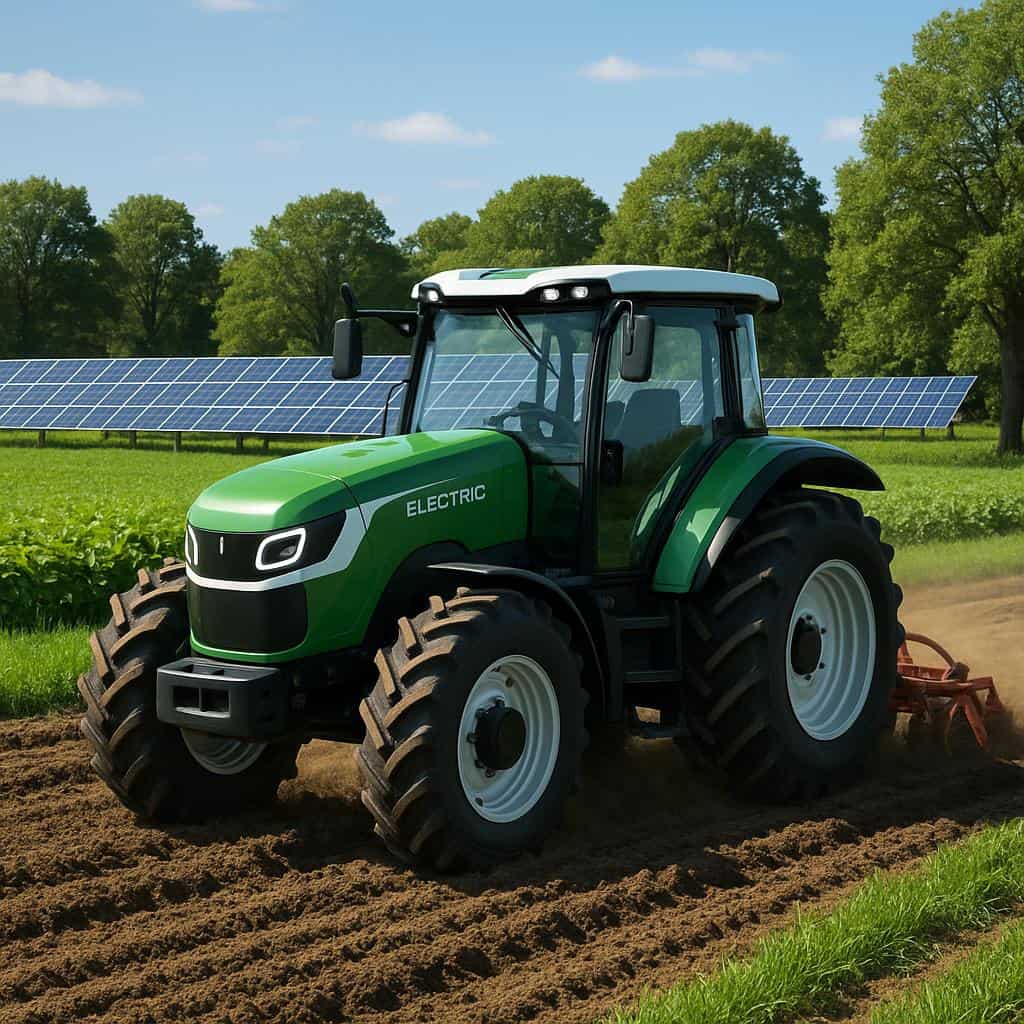
Fuel prices have been rising, making diesel tractors more expensive to run. Electric tractors use electricity, which can cost much less, especially if a farm uses solar or wind power to charge the batteries. This not only saves money but also helps farms become more independent from fuel prices.
People also like electric tractors because they are quieter. Farming near homes or schools can be tricky with loud diesel tractors. Electric tractors help by reducing noise, which makes workers’ days better and avoids complaints from neighbors. Plus, with no diesel fumes, these zero-emission tractors are better for the air and the soil.
Finally, many governments are encouraging farmers to switch by offering tax credits or special loans. These supports make the shift to electric tractors easier and more affordable. All of these reasons are why electric tractors are becoming a smart, popular choice for sustainable agriculture.
One big way electric tractors save money is by cutting fuel costs. Diesel fuel can cost farmers $12 to $15 per hour to run their tractors. In comparison, running an electric tractor on electricity can cost as little as $2.40 per hour, especially if farms use their own solar panels or wind turbines. That difference adds up quickly over a full farming season.
Electric tractors also cost less to maintain. Diesel engines have many parts that need regular care, like oil changes and filters. Electric tractors have fewer moving parts, so they don’t need oil changes or special fluids like diesel exhaust fluid (DEF). This reduces how often tractors go to the shop and cuts maintenance bills.
Another money-saving perk is less downtime. Electric tractors use smart software to check how the machine is doing. This helps farmers know when to do maintenance before problems happen, avoiding costly breakdowns. Electric tractors’ motors tend to last longer too, giving a better return on investment over many years.
Even though electric tractors might cost more at first, farms can use financing options like asset finance. Companies like Moorgate Finance help farmers spread out payments or get loans that make buying these tractors easier. When looking at total costs over time, electric tractors can be a very wise investment for farms wanting to reduce running costs.
Electric tractors bring special power to farm tasks. Their motors deliver instant torque, which means they start working right away without waiting for the engine to warm up. This smooth power helps farmers operate machines more precisely and comfortably, especially when handling loaders or other attachments.
Typically, electric tractors today can run from 4 to 8 hours on a full charge. Some, like the New Holland T4 Electric Power tractor, offer about 4 hours of steady work and can stretch to 8 hours with lighter tasks. When batteries run low, fast charging options can recharge tractors quickly, allowing farmers to get back to work without long delays.
Many farms combine electric tractors with their own renewable energy sources. For example, solar panels on farm roofs can keep batteries charged during sunny days, reducing electricity bills and the need to buy power from the grid. This renewable energy farming approach helps farms save money and protect the environment at the same time.
Electric tractors also connect with smart farm technologies. Telemetry and GPS systems can track tractor use and help farmers plan their work better. By using precision agriculture, farmers reduce wastage of fuel, seeds, and fertilizer, making their operations more efficient and sustainable.
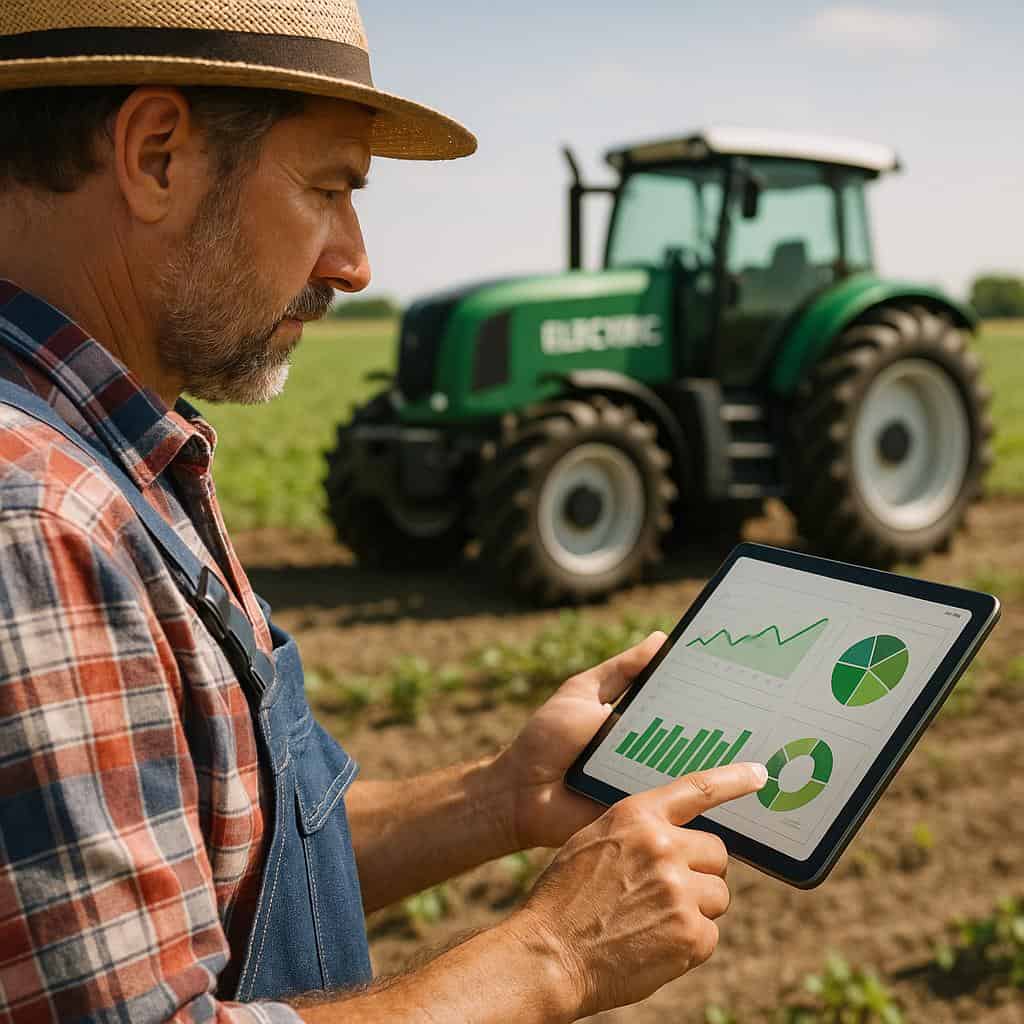
Not every farm has the same needs, but many small to medium farms, orchards, vineyards, and greenhouses are finding electric tractors fit their work perfectly. These machines handle tasks like preparing soil beds, planting seeds, mowing, and hauling loads.
Because electric tractors are quieter, farms near neighborhoods appreciate being able to start work early or stay late without disturbing neighbors. This makes farm life more peaceful for everyone.
Several companies are making electric tractors suited to different farm sizes. New Holland’s T4 Electric Power is one example, designed for utility tasks. Monarch Tractor offers smaller electric models great for orchards, while Solectrac focuses on narrow tractors for specialty crops. Even big names like John Deere are testing electric tractors, signaling that this technology is here to stay.
These examples prove that electric tractors aren’t just ideas for the future—they are practical tools helping farms save money and work better today.
Electric tractors don’t just cut costs—they protect the earth. Using electricity instead of diesel means zero tailpipe emissions. This cleaner air benefits wildlife, farm workers, and nearby communities.
Without diesel, there’s no risk of fuel spills that can harm soil and water. Cleaner soil supports healthier crops and reduces pollution risks. Many farms pair electric tractors with renewable energy, making their operations almost self-sufficient.
Sustainability matters more to customers and regulators every year. Farms that use zero-emission tractors show they care about the environment, helping them meet market demands and open new opportunities. Choosing electric tractors supports sustainable agriculture and shows leadership in protecting the planet for future generations.
Switching to electric tractors can feel like a big step. The first cost of buying a tractor is higher compared to diesel versions. But financing options and government incentives can make it easier to afford.
Farms will also need some infrastructure like charging stations. Installing solar panels or wind turbines can help provide power and lower costs over time. While electric tractors now work best in low- to medium-horsepower ranges, bigger electric tractors are expected soon.
Trying out electric tractors on simpler tasks before fully switching helps farms learn what works best. This pilot approach reduces risk and builds confidence.
With support from finance companies and a clear plan, farmers can overcome challenges and enjoy the many benefits electric tractors offer.
The future of farming is bright with electric tractors at the center. Governments around the world are supporting electric equipment, and battery technology keeps getting better, extending runtime and reducing charging times.
Electric tractors are also becoming smarter, with connected systems that help farms track productivity and environmental impact. Autonomous tractors—machines that can drive themselves—are being tested to further boost efficiency and reduce labor needs.
As electric tractors become more common, farms will see even more savings and benefits. This shift supports sustainable agriculture, helping farmers meet the demands of a changing world while protecting their bottom line.
If farmers choose to embrace electric tractors now, they set themselves up for success well into the future.
Electric tractors are not just machines—they are a way to farm smarter, cleaner, and more affordably. They bring real cost savings electric tractors deliver, improved farm efficiency, and environmental benefits in one package. Thinking about making the change to an electric tractor? It’s worth exploring this exciting technology and seeing how it can help you work better and save more.
With new models available today and financing ready to help, there’s never been a better time to learn about cost savings electric tractors and join the move toward a smarter, greener farm future. This step could be the start of a cleaner, quieter, and more profitable farm life.

Discover how to avoid booking traps with our ultimate guide on heritage stay Kolkata packages. Enjoy an authentic experience without the pitfalls!

Discover how to avoid booking traps with our ultimate guide on heritage stay Kolkata packages. Enjoy an authentic experience without the pitfalls!